
U.S. natural gas inventories enter winter at similar level to 2024, the most since 2016
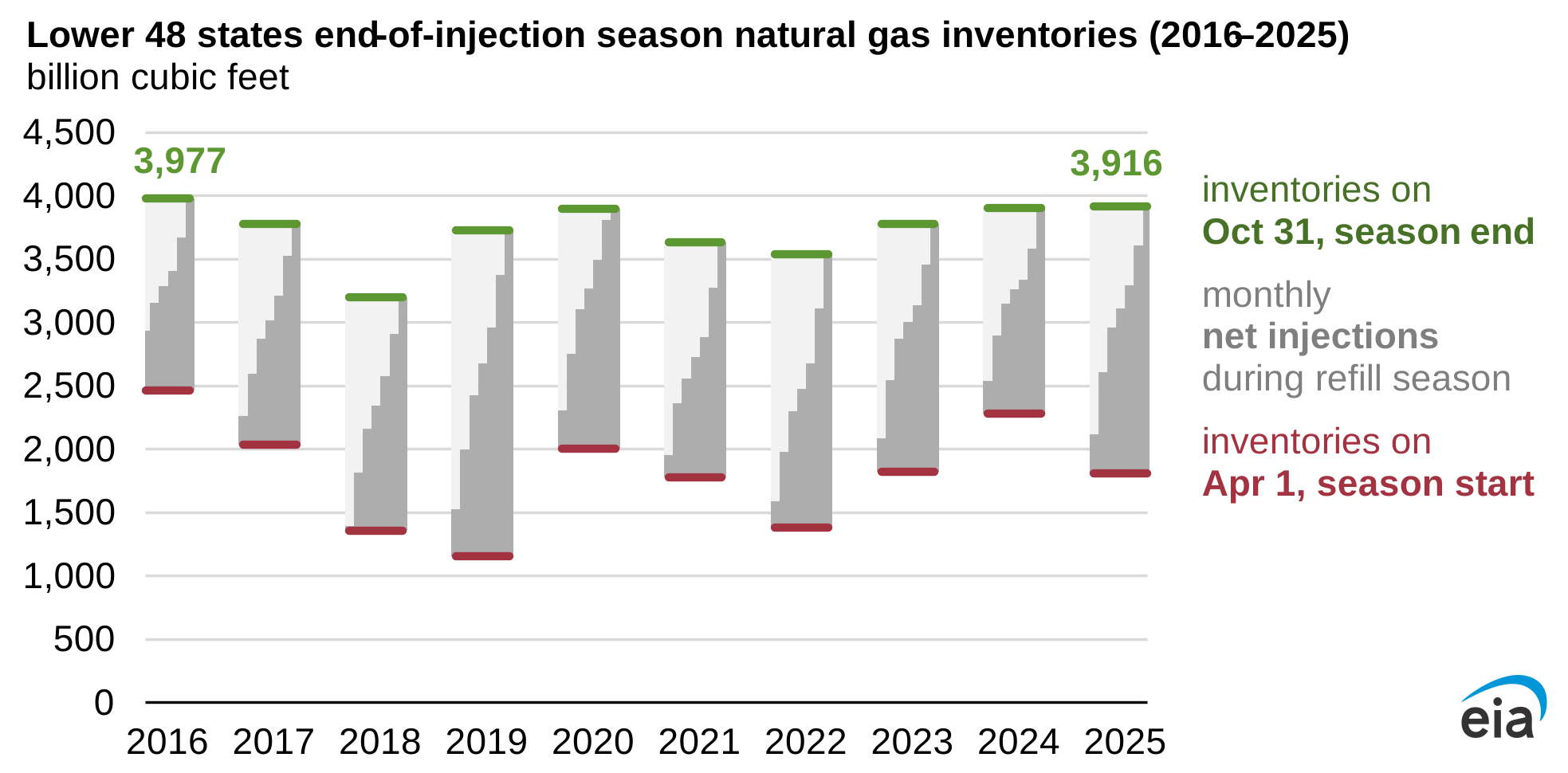
Working natural gas in storage in the Lower 48 states ended the natural gas refill season (April 1–October 31) with more than 3,900 billion cubic feet (Bcf), according to estimates based on data from our Weekly Natural Gas Storage Report released on November 6. U.S. inventories are starting winter 2025–26 at about the same level as last year, the most since 2016. As of October 31, inventories are 4% above the five-year (2020–24) average after above-average injections into storage throughout much of the injection season.
Natural gas inventories in the Lower 48 states were relatively depleted at the end of March 2025 (the end of withdrawal season), totaling 1,811 Bcf, 21% less than at the same time in 2024 and 2% less than the five-year average for March. Operators injected more natural gas into storage to meet their end-of-season targets, with this increased demand supported by record-high natural gas production this summer.
Net injections into natural gas storage during the injection season totaled 2,105 Bcf, 11% more than the five-year average. Weekly injections ranged from a minimum of 7 Bcf in early August to 122 Bcf in late May, with injections greater than 100 Bcf for seven consecutive weeks from April through June.
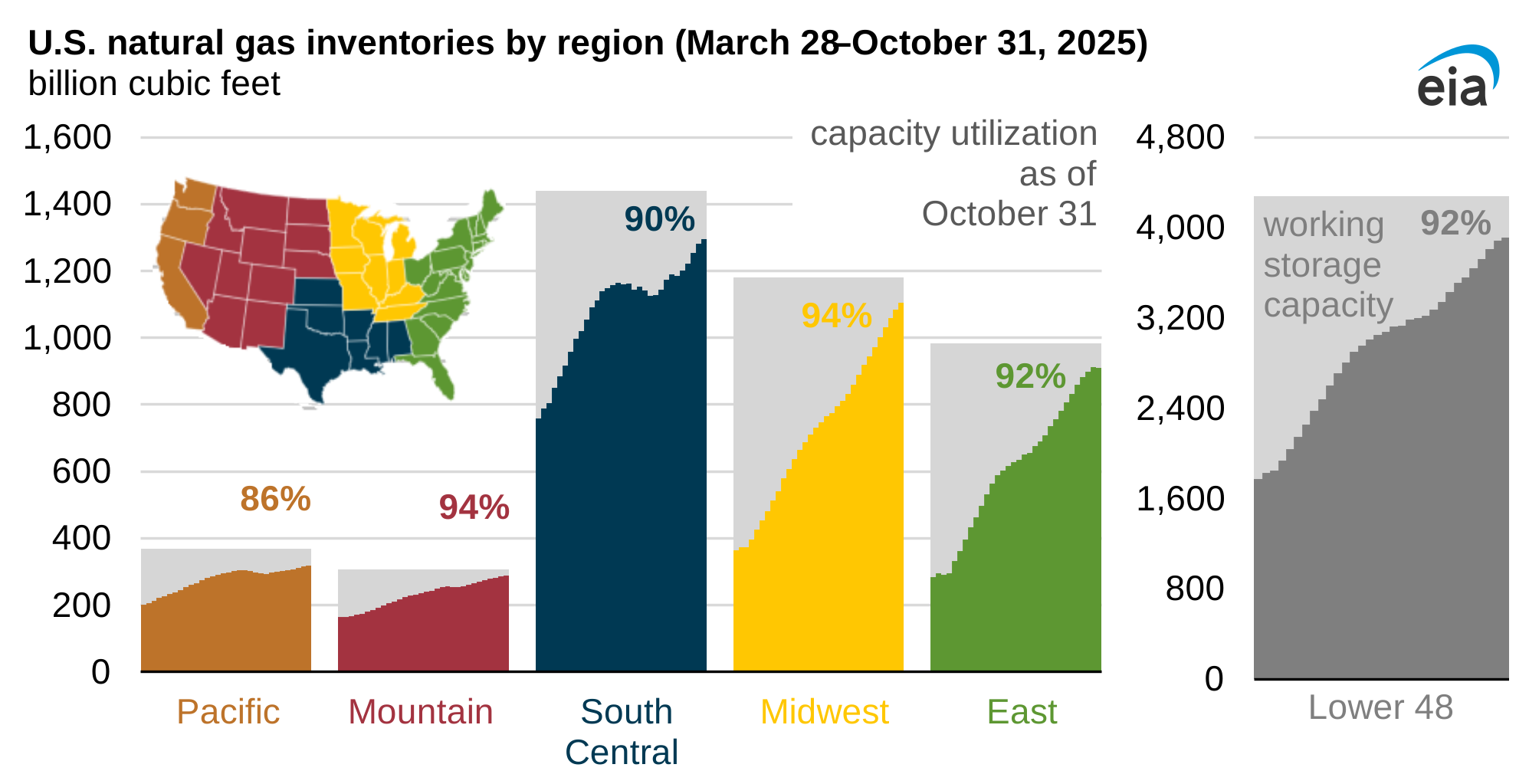
Underground natural gas storage provides a source of energy when demand increases, particularly during the winter months. At the start of winter 2025–26, natural gas storage was 92% full for the Lower 48 states, with storage in each region at least 86% full, even after capacity increased last year. As of October 31, regional natural gas inventories were above their respective five-year (2020–24) averages in the Mountain (20%), Pacific (12%), and South Central (6%) regions, while the East and Midwest regions were near their five-year averages.
In our November Short-Term Energy Outlook, we forecast natural gas withdrawals during the 2025–26 heating season will total more than 1,900 Bcf and that inventories will be 9% above the five-year (2021–25) average at the end of March 2026.
Principal contributor: Trinity Manning-Pickett
Tags: natural gas, inventories/stocks, weather, storage