
EIA expects record U.S. natural gas consumption in 2025
Data values: U.S. Natural Gas Supply, Consumption, and Inventories
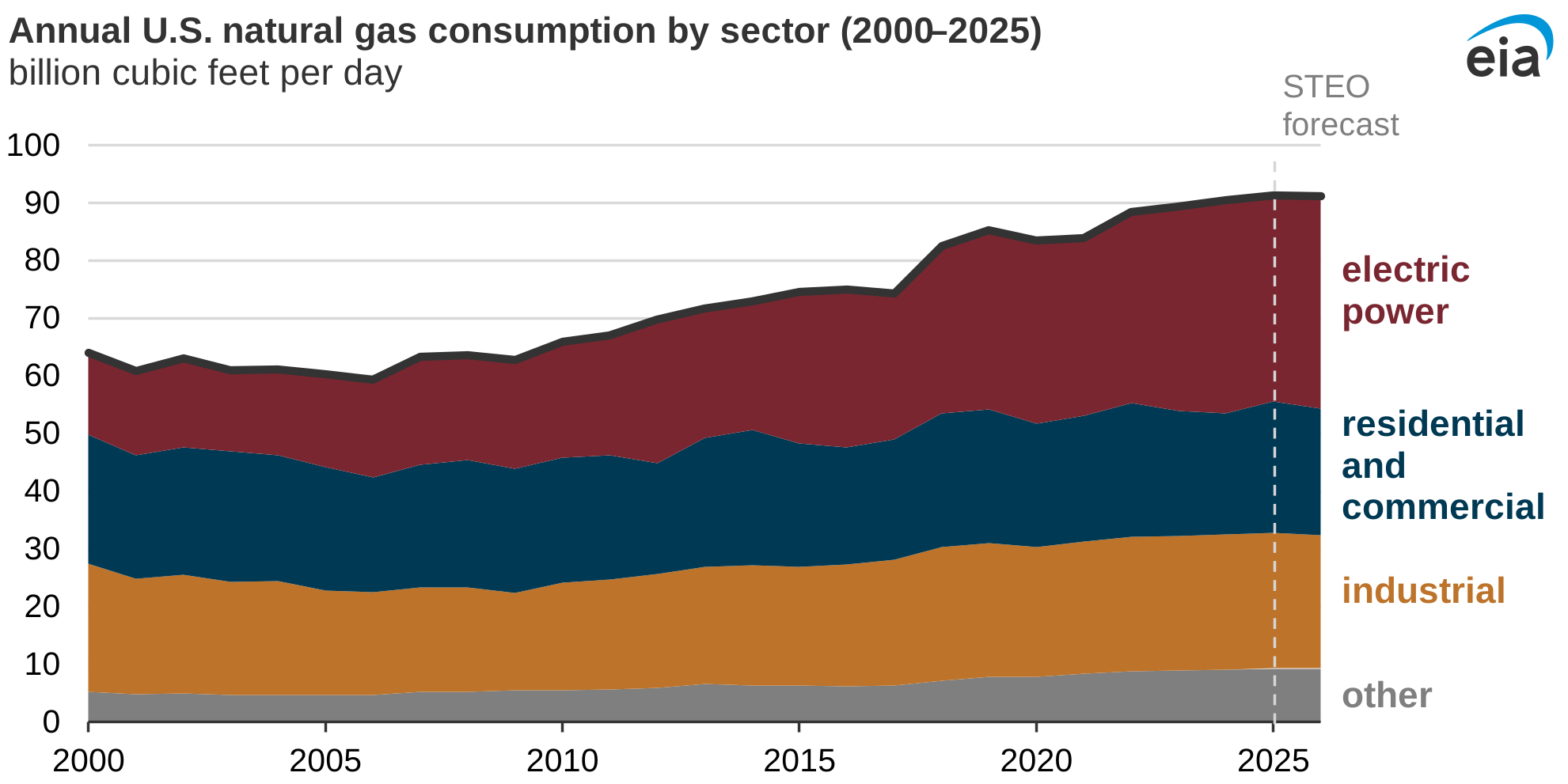
We forecast natural gas consumption in the United States will increase 1% to set a record of 91.4 billion cubic feet per day (Bcf/d) in 2025. In our latest Short-Term Energy Outlook, we expect natural gas consumption to increase across all sectors except for electric power, which had been the source of most natural gas consumption growth in the previous decade.
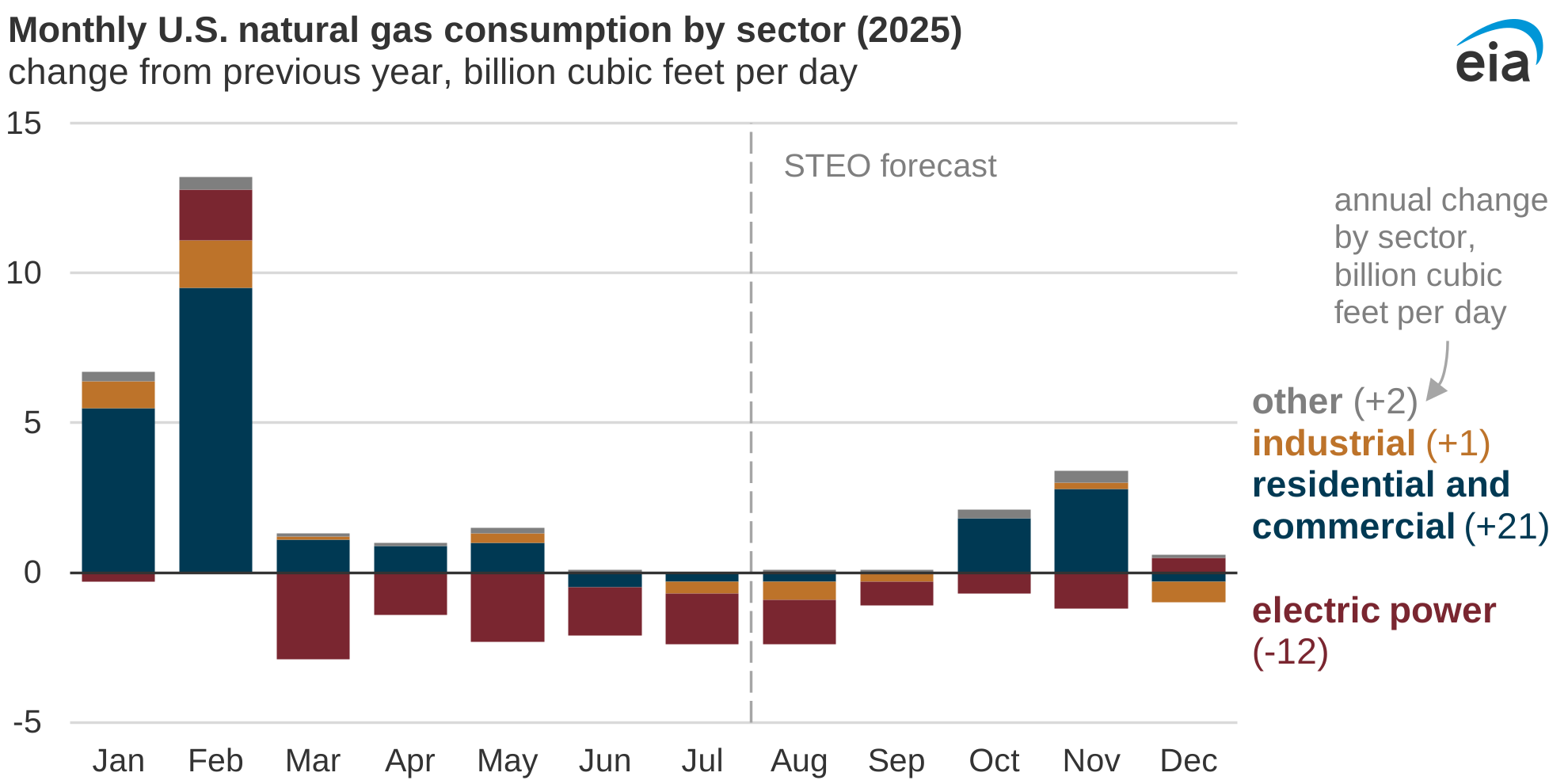
Natural gas consumption was high in the beginning of the year, driving our forecast. In January, U.S. natural gas consumption was a record 126.8 Bcf/d, 5% more than the previous record set in January 2024, according to data in our Natural Gas Monthly.
In February 2025, U.S. natural gas consumption was 115.9 Bcf/d, 5% more than the previous February consumption record set in 2021. Natural gas consumption in these winter months was driven in part by colder weather, including a polar vortex event in mid-January.
U.S. natural gas consumption typically peaks in January or February, when demand for space heating in the residential and commercial sectors is greatest. According to household data from the U.S. Census Bureau’s American Community Survey, 45% of homes use natural gas as their primary heating fuel.
We estimate that U.S. natural gas consumption decreased this spring and summer, compared with consumption over the same period last year, especially in the electric power sector. Natural gas remains the most prevalent source of electricity generation in the United States, but so far in 2025 natural gas has lost market share in the electric power sector to coal, solar, and wind.
Data values: U.S. Natural Gas Supply, Consumption, and Inventories
We expect increases in natural gas consumed in the residential and commercial sectors to offset decreases in natural gas consumed in the electric power sector. We currently forecast U.S. natural gas consumption will decrease slightly in 2026, due in part to expected milder weather in the winter months and therefore less consumption in the residential and commercial sectors.
Principal contributor: Andrew Iraola