
EIA expects U.S. energy-related carbon dioxide emissions to fall 11% in 2020
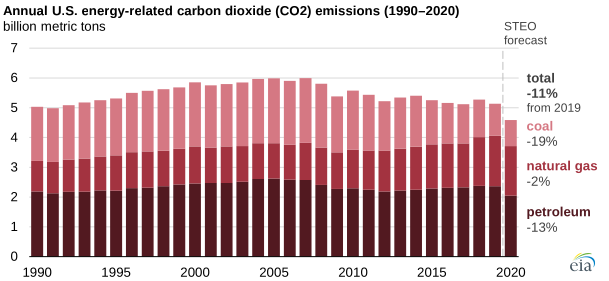
Note: 2020 values are based on data through August and STEO forecasts for September through December.
In 2020, carbon dioxide (CO2) emissions from the U.S. energy sector could be 11% lower than in 2019, according to U.S. Energy Information Administration (EIA) data through August and EIA estimates for September through December. According to values published in EIA’s December Short-Term Energy Outlook (STEO), EIA expects CO2 emissions in 2020 to fall by 19% for coal, by 13% for petroleum, and by 2% for natural gas. Many of this year’s changes in energy-related CO2 emissions are attributable to the economic and behavioral effects the COVID-19 pandemic has had on energy consumption.
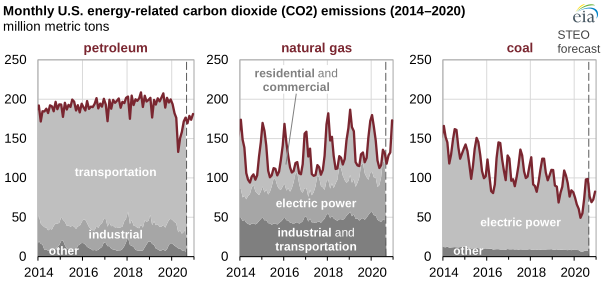
Note: 2020 values are based on data through August and STEO forecasts for September through December.
EIA calculates energy-related CO2 emissions by multiplying energy consumption, measured in British thermal units, by the carbon factor associated with each energy source. For this reason, changes in emissions reflect both changes in the overall amount of energy consumed and the mix of energy sources used.
This year, U.S. energy consumption was heavily affected by responses to COVID-19, including working from home and other stay-at-home measures, closed or limited operating hours for several types of businesses, and travel restrictions. In April, when many parts of the country instituted measures to slow the spread of COVID-19, monthly U.S. energy consumption fell to a 30-year low and emissions fell to a record low.
Petroleum accounted for an estimated 45% of U.S. energy-related CO2 emissions in 2020, and most of those emissions were from the transportation sector. CO2 emissions from petroleum in the transportation sector fell to 102 million metric tons in April 2020, the lowest monthly level since February 1983.
Natural gas, which accounted for an estimated 36% of U.S. energy-related CO2 emissions in 2020, is consumed in several sectors. The electric power sector consumes the most natural gas of any sector, and EIA estimates that in 2020, although electricity consumption declined slightly, the use of natural gas to generate electricity increased.
Coal CO2 emissions this year could reach the lowest annual level (4,597 million metric tons, or 19% of the total) in EIA’s annual emissions series that dates back to 1973. In the electric power sector, where most coal is consumed in the United States, coal has lost market share to natural gas and renewables since peaking in 2007.
Principal contributor: Owen Comstock