
Residential electric bills in Hawaii and Connecticut are twice those in New Mexico, Utah
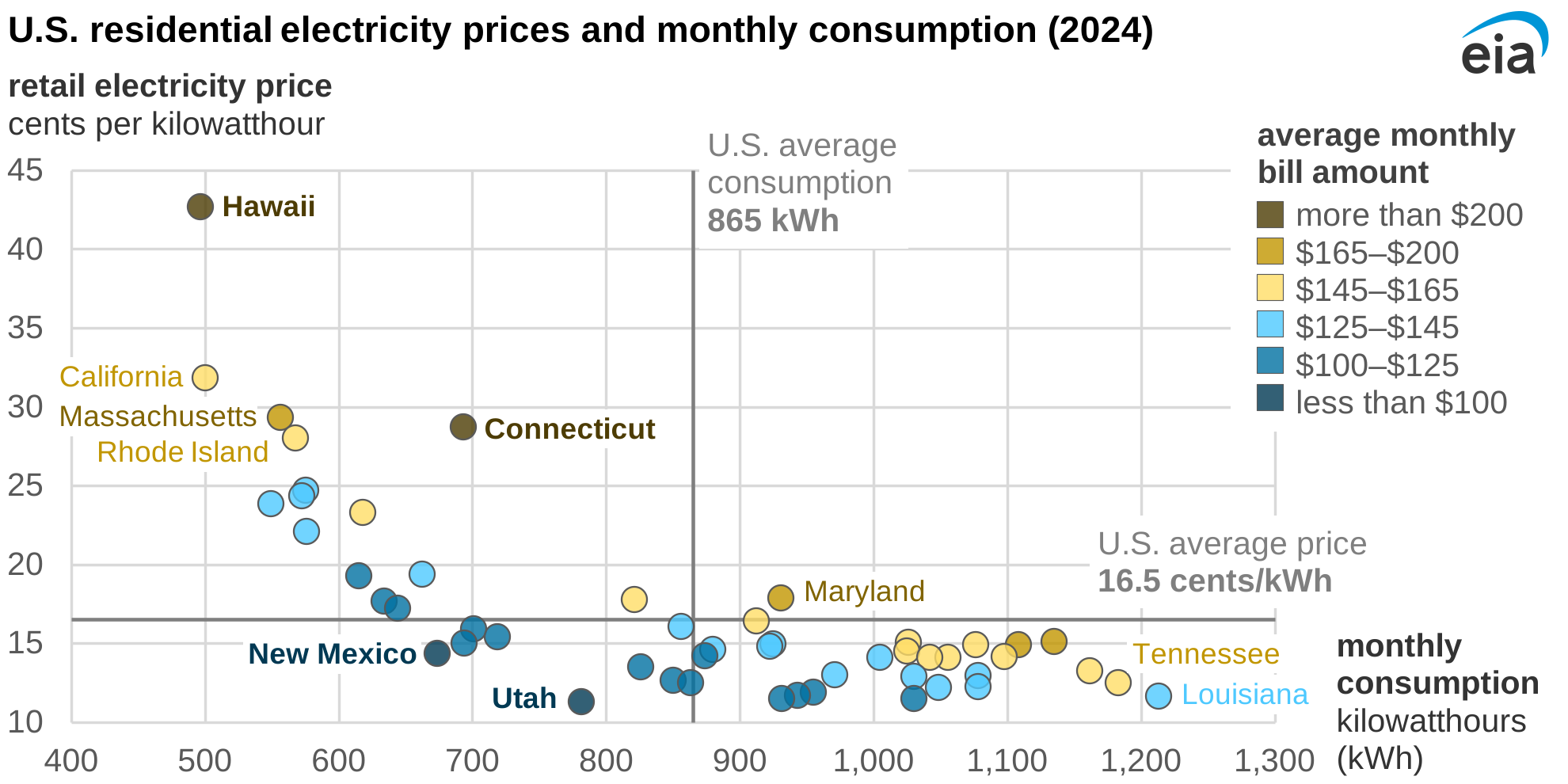
Data values: Average bills are calculated based on residential sector retail sales of electricity, number of customer accounts, and average retail price of electricity.
The average electric monthly bill for U.S. residential customers was $144 in 2024, but average costs for customers in some states were much higher or lower. Customers in states such as Hawaii and Connecticut, where retail electricity prices are relatively high, paid more than $200 per month for electricity, or more than twice as much as customers in states such as New Mexico and Utah.
Monthly electricity bills are the product of two factors: retail electricity prices and the amount of grid-delivered electricity that customers consume. Although we do not directly survey retail electricity prices or bills in our monthly electricity surveys, we estimate bills by dividing the utilities’ revenue from residential customers by the number of residential customers. Similarly, we estimate retail prices by dividing utility revenue from residential customers by electric retail sales to residential customers.
Average U.S. electricity prices and consumption were both higher in 2024 compared with 2023. The average U.S. residential electricity price rose from 16.0 cents per kilowatthour (kWh) in 2023 to 16.5 cents/kWh in 2024. Monthly electricity consumption per residential customer averaged 865 kWh in 2024, or 2% more than the average value in 2023.
Customers in Hawaii had the highest average monthly bills in 2024, at $213 per month, despite consuming the least amount of grid-delivered electricity, on average. Although many homes in Hawaii have solar photovoltaic systems that reduce the need for grid-delivered electricity, most of that grid-delivered electricity generated in Hawaii comes from petroleum-fired generators. Electricity prices in Hawaii are high because petroleum-fired electricity generation is expensive compared with other energy sources.
Customers in Utah had the lowest average monthly bills at $89 per month. The six states with the lowest residential bills are all in the Rocky Mountain region: Utah, New Mexico, Colorado, Wyoming, Montana, and Idaho. These states tend to have lower-than-average residential electricity prices and consumption. Delivered costs for coal and natural gas, which are prevalent sources for electricity generation in Rocky Mountain states, were lower in 2024 than in 2023.
Louisiana had the highest average electricity consumption, as Louisiana’s residential customers used more than twice as much electricity from the grid as those in Hawaii or California. However, because electricity prices are so much lower in Louisiana, residents paid an average of $142 per month, or nearly equal to the national average. Southeastern states tend to consume more electricity than other states because customers use more air conditioning in the summer and use electric, rather than natural gas, space-heating equipment in the winter.
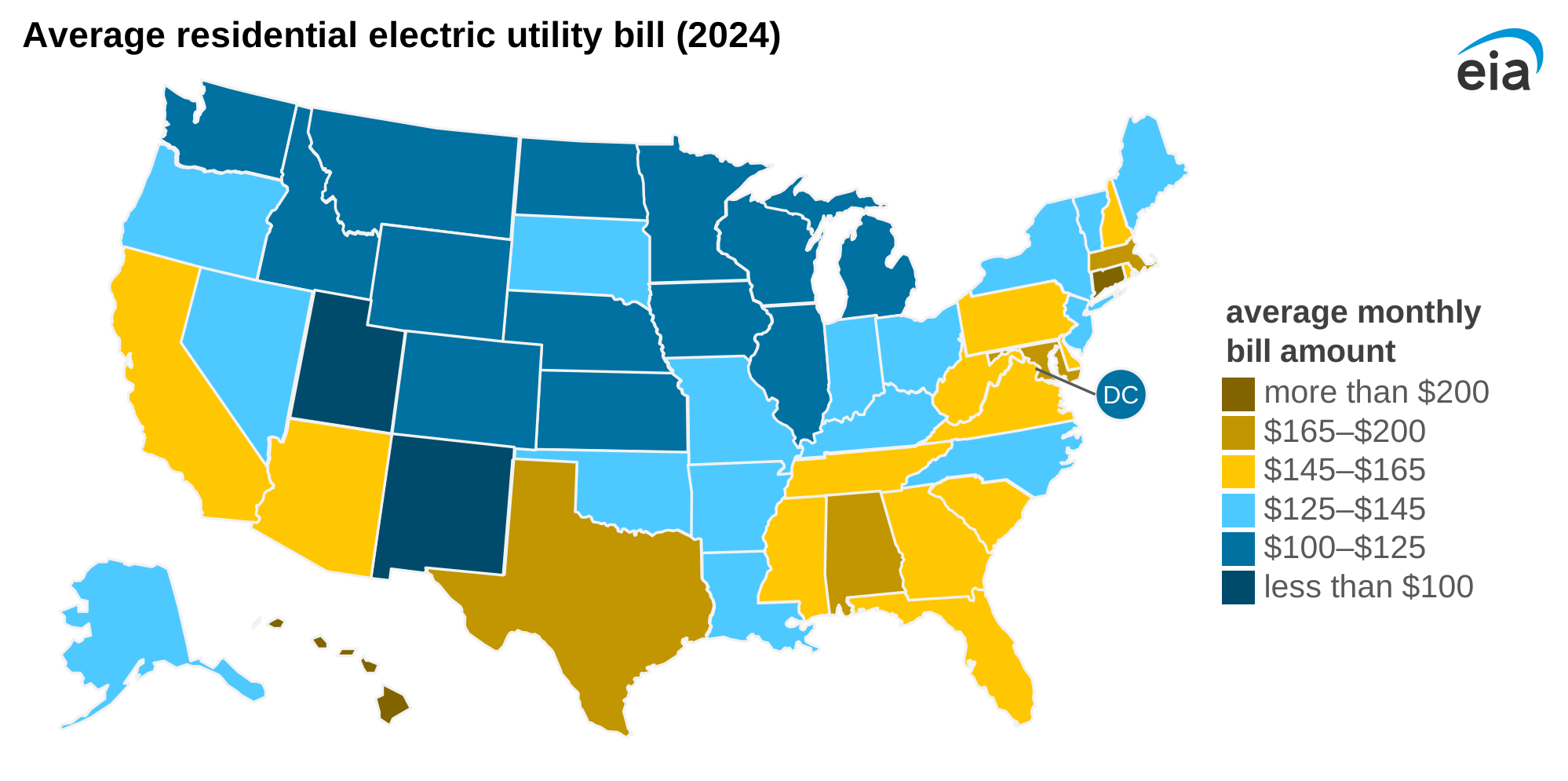
Data values: Average bills are calculated based on residential sector retail sales of electricity, number of customer accounts, and average retail price of electricity.
Principal contributors: Alex Gorski, Owen Comstock
Tags: map, residential, electricity, prices, Hawaii, states, Connecticut, New Mexico, Utah, consumption/demand