
Texas uses natural gas for electricity generation and home heating
Note: Data are for total net generation, including both utility-scale and small-scale electricity. Other includes fuel oil, wood, solar, and other fuels.
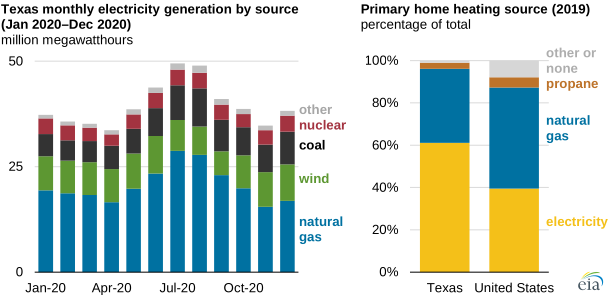
In February 2021, an extreme winter weather event affected energy supply and demand in Texas. The cold temperatures that increased demand for electricity and heating in Texas also disrupted energy supply, causing health and safety concerns. Because natural gas is used to generate a large share of the electricity in Texas (52% in February 2020, according to the U.S. Energy Information Administration’s (EIA) Electricity Data Browser), a drop in natural gas-fired generation during the cold weather event significantly affected total electricity generation.
According to the U.S. Census Bureau, 61% of homes in Texas use electricity as their primary heating source compared with 39% of homes in the United States. Natural gas directly heats about 35% of Texas homes, but most modern natural gas furnaces require electricity to ignite and to fan heat throughout houses. Almost 3% of homes in Texas use propane as their primary space heating fuel, and another 0.4% report having no heating equipment.
Although four electricity grids serve Texas, the Electric Reliability Council of Texas (ERCOT) operates the state’s main electricity grid. Unlike other grids in the United States, ERCOT has limited connections to outside systems, so it depends primarily on its own resources to meet its electricity needs.
EIA’s Hourly Electric Grid Monitor data show that natural gas-fired power generation fell sharply once ERCOT began implementing rotating outages at midnight on February 15. Coal-fired, wind, and nuclear generation also decreased.
In Texas, natural gas demand for electricity generation usually peaks during the summer when residents increase their air-conditioning use. Natural gas has generated as much as 61% of Texas’s monthly net electricity generation during peak summer electricity demand. Natural gas accounts for a smaller share of the state’s electricity generation during the winter because total electricity demand is lower and demand for natural gas for heating is higher.
Wind, coal, and nuclear plants generate most of the rest of Texas’s electricity. Wind’s share of net electricity generation in Texas has increased substantially during the past decade. In February 2020, wind accounted for 22% of Texas’s net electricity generation (including both utility- and small-scale wind farms). Coal’s share has declined in recent years; it accounted for 13% of generation in February 2020. Nuclear consistently generates about 10% of electricity in Texas.
Principal contributor: Mickey Francis