
Average U.S. natural gas bills expected to decrease this winter
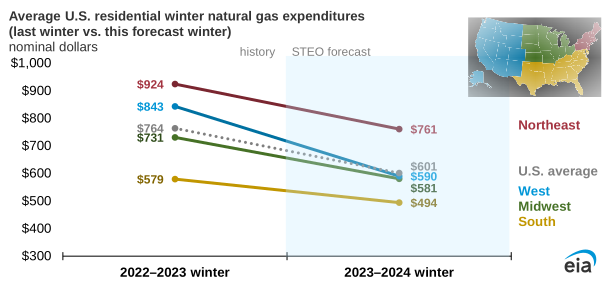
We forecast lower average natural gas bills for U.S. consumers that heat their homes primarily with natural gas this winter heating season (November 1 to March 31) compared with last winter. The lower residential winter natural gas expenditures we forecast in the 2023 Winter Fuels Outlook supplement to our October Short-Term Energy Outlook (STEO) are due, mainly, to lower natural gas prices. The wholesale U.S. natural gas spot price at the national benchmark Henry Hub started last winter heating season averaging $5.66 per thousand cubic feet (Mcf) in November. This November, we expect the Henry Hub price to be 45% lower than last year, averaging $3.12/Mcf.
Natural gas is the primary heating fuel for 46% of U.S. homes, according to the U.S. Census Bureau’s 2022 American Community Survey. The retail price of natural gas and the amount of natural gas consumed determine how much consumers will pay.
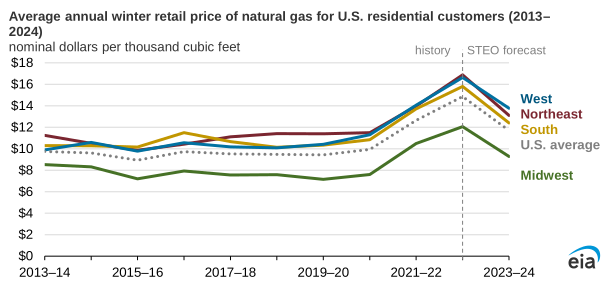
Last winter, residential retail natural gas prices were higher than they had been in the previous 10 winters (winter 2012–13 to winter 2021–22), averaging $14.85/Mcf. Residential retail natural gas prices reached multiyear highs throughout 2022 due to a relatively high Henry Hub wholesale natural gas price, which averaged 65% higher in 2022 than the 2021 average. The Henry Hub price has been much lower in 2023, averaging under $3.00/Mcf in every month except January. The lower wholesale natural gas prices this year have led us to expect a 21% ($3.16/Mcf) decline in the U.S. average residential retail price for the 2023–24 winter.
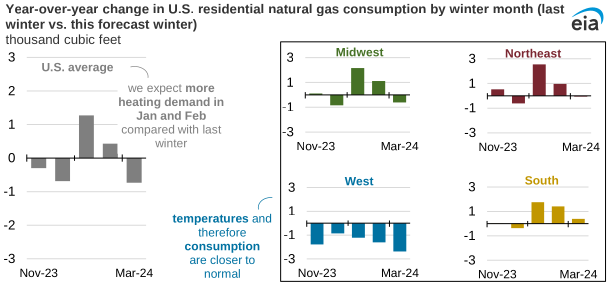
Our forecast of regional winter natural gas expenditures declines by 30% in the West, more than in any other U.S. region, because we forecast less winter natural gas consumption in that region and lower natural gas prices. Below-normal temperatures in the West last winter increased winter residential natural gas consumption to the most in the past 10 winters (winter 2013–14 to winter 2022–23). This winter, we forecast natural gas consumption in the West will be closer to the 10-year average, decreasing from last winter. We expect natural gas consumption in regions other than the West to increase in January 2024 and February 2024 compared with last year, when a warmer-than-normal January and February led to less-than-average natural gas consumption for heating.
Principal contributor: Corrina Ricker