
Onshore crude oil production on federal lands has increased in recent years
Data values: Federal onshore from Natural Resources Revenue Data; Gulf of America and U.S. total from Petroleum Supply Monthly
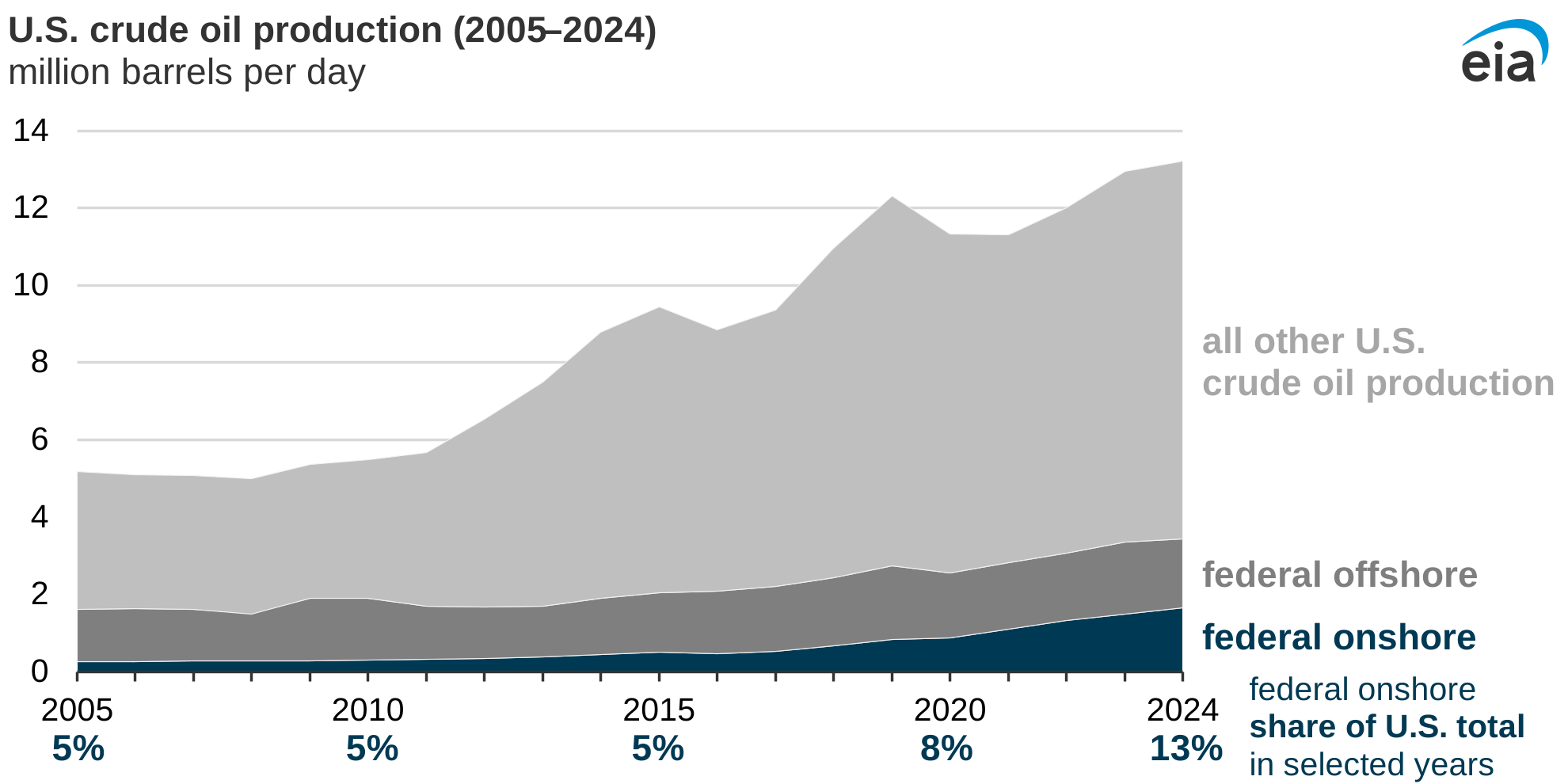
Crude oil production from onshore federal lands has increased in recent years as a result of significant growth in drilling activity and operations. According to data collected by the U.S. Department of the Interior’s Office of Natural Resources Revenue, onshore crude oil production from federal lands reached 1.7 million barrels per day (b/d) in 2024, a record high. Most of this growth was in New Mexico from crude oil produced from federal lands in the Permian Basin.
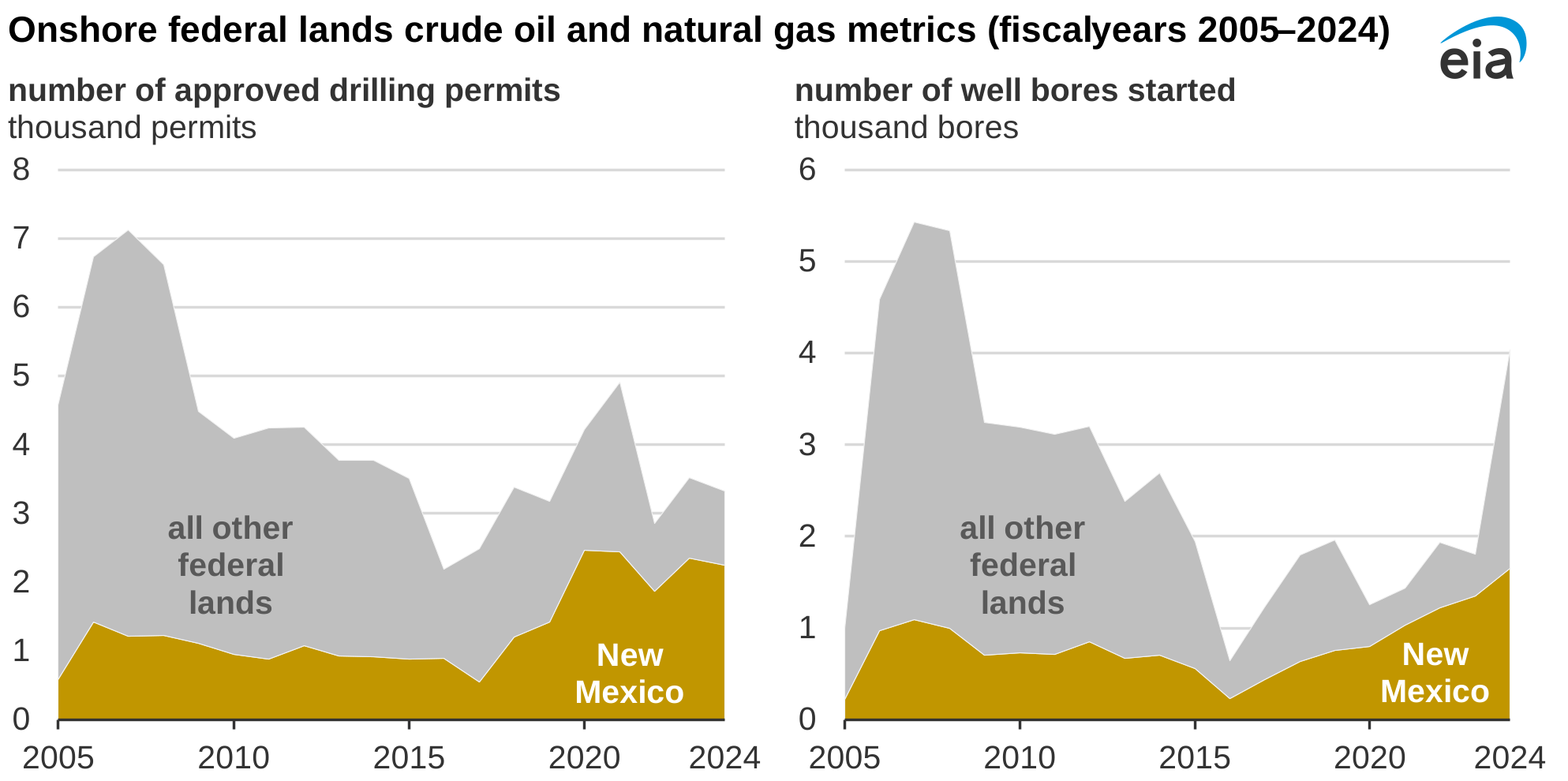
Increases in crude oil production from federal lands in New Mexico are attributable to multiyear increases in the number of leases, drilling permits approvals, and well bore starts. Based on Bureau of Land Management data for fiscal years 2020 through 2023, activity in New Mexico accounted for the majority of drilling permits approved and well bores started on onshore federal lands.
Data values: Oil and Gas Statistics
Total U.S. crude oil production has nearly tripled, from 5.0 million b/d in 2008 to 13.2 million b/d in 2024. Growth in crude oil production from federal lands has increased at a faster rate: the 2024 output of 1.7 million b/d is six times as much as the crude oil production from federal lands in 2008. By comparison, crude oil production in offshore federal lands has increased at a slower rate but at 1.8 million b/d still accounts for slightly more production than onshore federal lands.
Data values: Federal onshore from Natural Resources Revenue Data; Gulf of America and U.S. total from Natural Gas Monthly
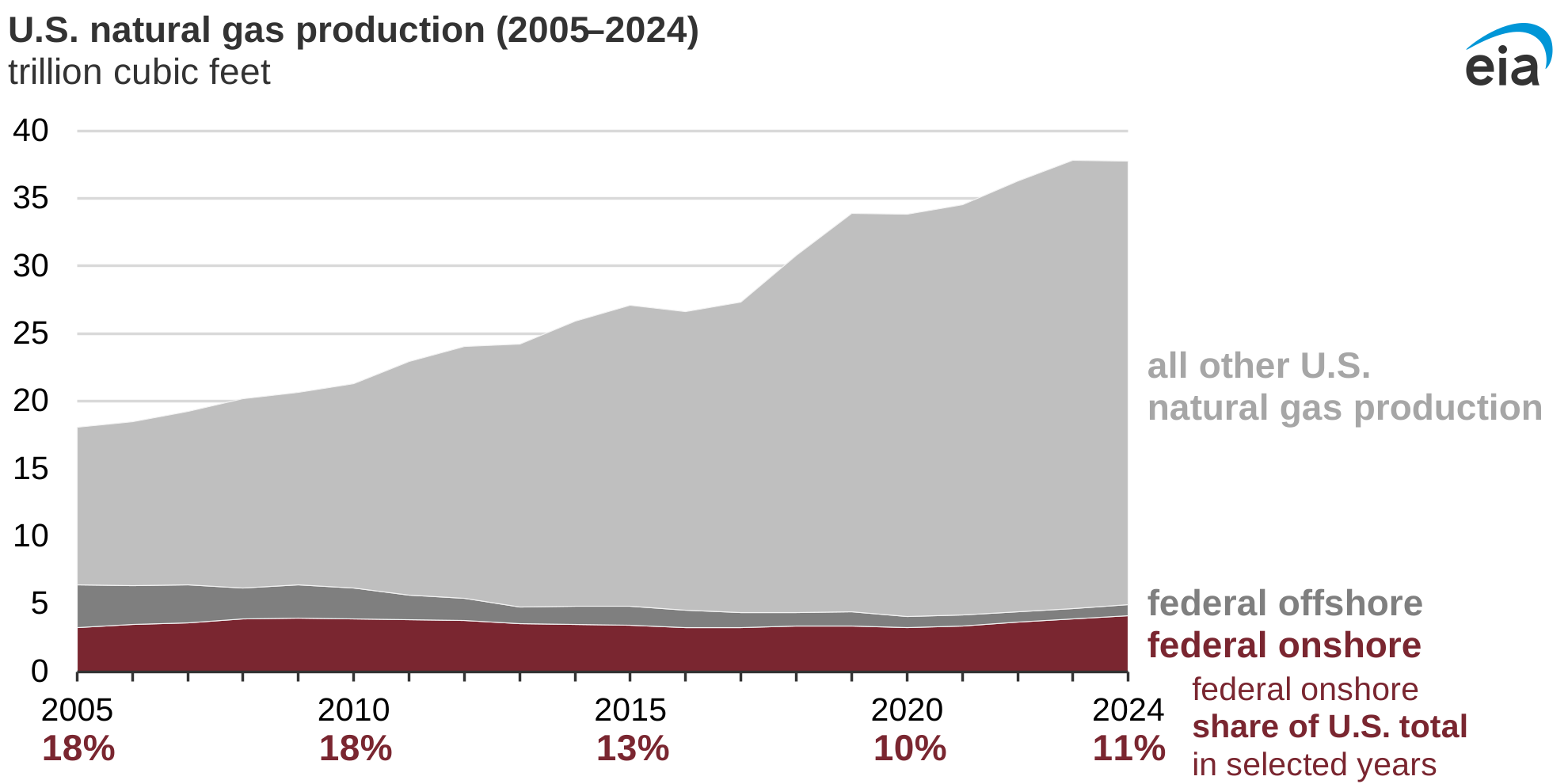
Natural gas production from federal onshore lands has also increased in recent years but at a similar rate to overall U.S. natural gas production. Onshore production of natural gas on federal lands grew from 3.2 trillion cubic feet (Tcf) in 2020 to 4.2 Tcf in 2024. Total U.S. dry natural gas production also increased, from 33.8 Tcf in 2020 to 37.8 Tcf in 2024, with the federal onshore percentage of U.S. total production increasing slightly, from 9.6% to 11.0% in those years. This recent increase is a reversal from the long-term trend of federal lands accounting for a declining share of U.S. natural gas production.
Unlike the relatively flat crude oil production trend in federal offshore areas, federal offshore natural gas production has been generally declining for years. In 2024, federal offshore natural gas production measured 0.8 Tcf, or less than one third of its 2005 value.
Principal contributors: Kathryn Dyl, Andrew Smiddy