
What is the shoulder season in electricity markets?
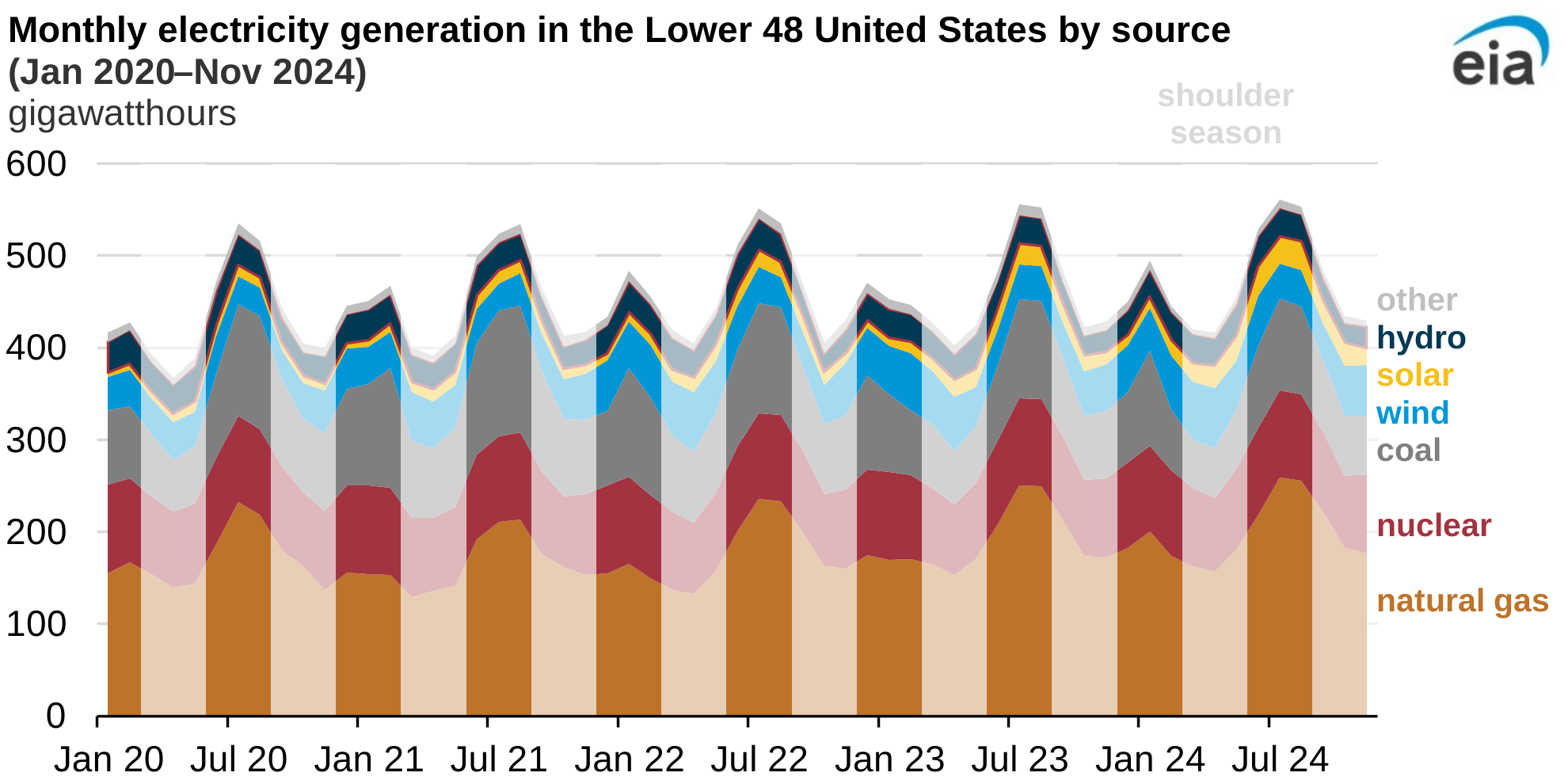
Electricity consumption in the U.S. Lower 48 states is highly seasonal; the demand for electricity peaks in the summer and the winter in response to more extreme temperatures and decreases in the spring and fall, in the so-called shoulder seasons, when weather is generally milder. Electric utilities and owners of power-generating assets perform maintenance on power plants during shoulder seasons because of less electricity demand that means that the system generally doesn’t need to be operating at full capacity.
The spring shoulder season is usually March, April, and May, and the fall shoulder season is typically September, October, and November. However, many factors can influence the exact timing of planned maintenance such as local weather patterns, utility strategy, and market conditions.
In the spring shoulder season of 2024 (March–May), electricity generation in the Lower 48 states averaged 430.6 gigawatthours (GWh), compared with 547.4 GWh in the peak summer months (June–August) in 2024.
Taking generators offline for planned, periodic maintenance is an essential part of maintaining a reliable electricity system. U.S. grid managers at regional transmission organizations and utilities ensure sufficient availability of generators for daily and seasonal operations.
Planned outages at nuclear power plants occur during the shoulder seasons, when energy demand decreases and wholesale electricity prices are generally lower. Owners of nuclear generators schedule outages during shoulder seasons to refuel the plants. Fossil fuel-fired plants also arrange planned maintenance during shoulder periods.
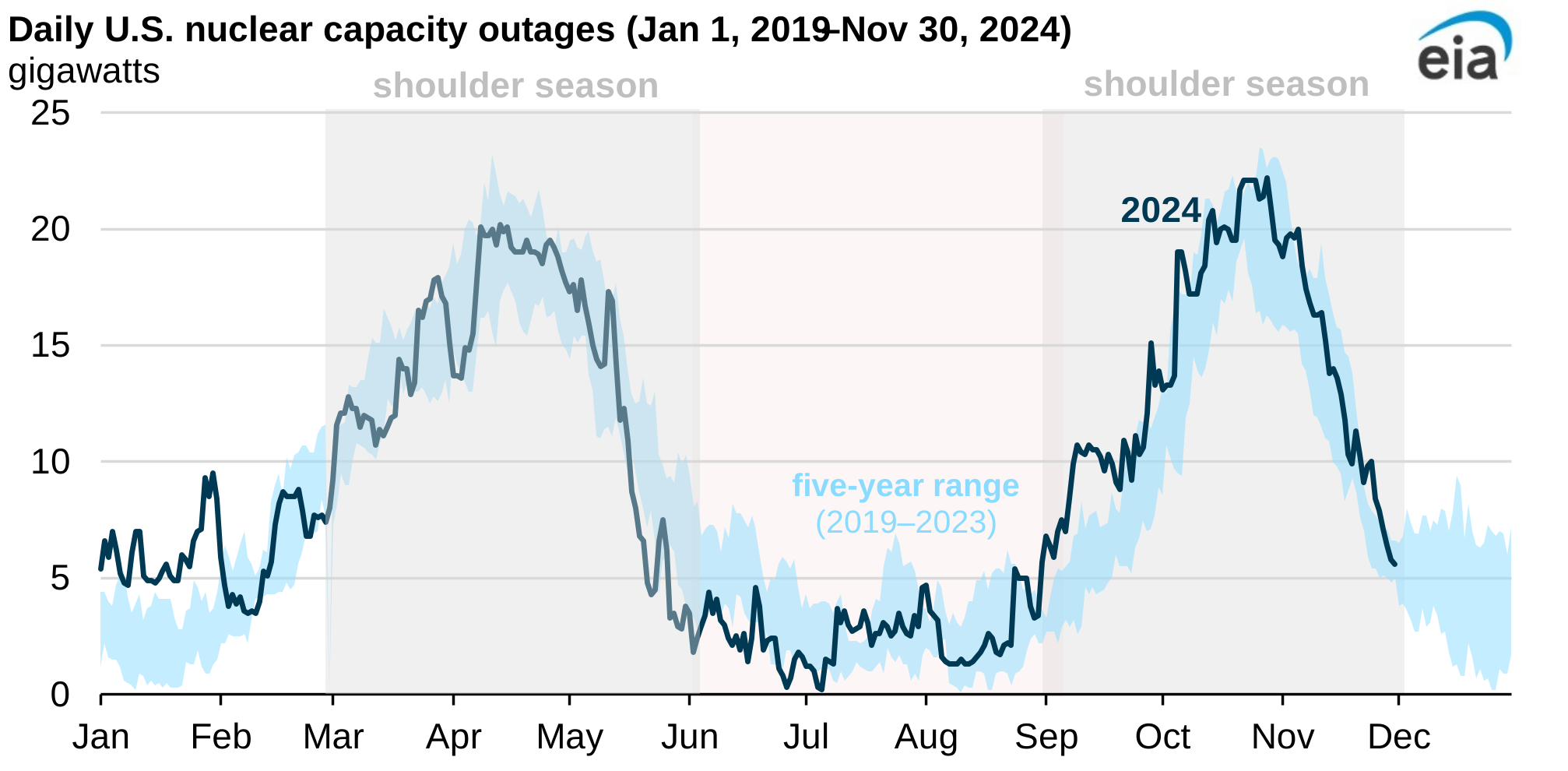
Despite generally reduced demand during shoulder seasons, wholesale electricity prices can be highly variable. With a portion of the generating fleet offline due to planned outages, any increase in load can require alternative sources of generation, which may be less efficient and more costly.
Principal contributors: Kimberly Peterson, Chris Peterson, Mark Morey
Tags: generation, consumption/demand, electricity