
About 20% of U.S. electric power generating capacity can operate on multiple fuels
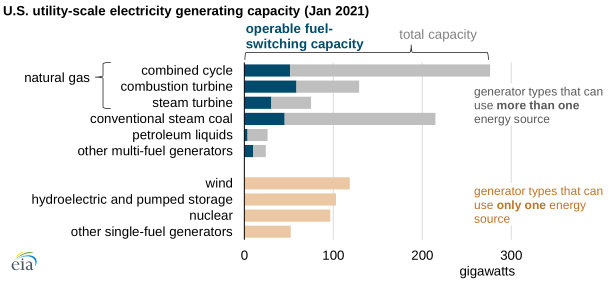
As of January 2021, the United States had almost 200 gigawatts (GW) of electric generating capacity that could functionally switch fuels, or about 18% of the total 1,116 GW of utility-scale electric generating capacity. About two-thirds, or 745 GW, of all utility-scale generating capacity involved technologies that could potentially use multiple energy sources, such as combustion turbines and steam turbines, as opposed to 371 GW of capacity that are single-source technologies such as wind turbines, hydroelectric dams, and nuclear reactors.
The option to switch to other energy sources when one source becomes limited or expensive can improve the reliability and resilience of the electric power supply. In some cases, that fuel-switching ability may be limited by regulations on fuel use or emissions. The most common mode of fuel switching in the United States is from natural gas to petroleum liquids, at almost 132 GW of capacity. The second-most common mode of fuel switching is from coal to natural gas, at almost 21 GW of capacity.
Natural gas-fired combined-cycle (NGCC) applications provided 34% of total U.S. utility-scale power generation in 2021, the largest share of any generating technology. Nationally, 19% of NGCC generating capacity can switch fuels. Electricity markets in Florida, New England, and New York have significantly larger shares of fuel-switching NGCC than the U.S. average. In Florida, NGCCs provide 69% of the state’s total generation, and almost 56% of Florida’s NGCC capacity can fuel switch.
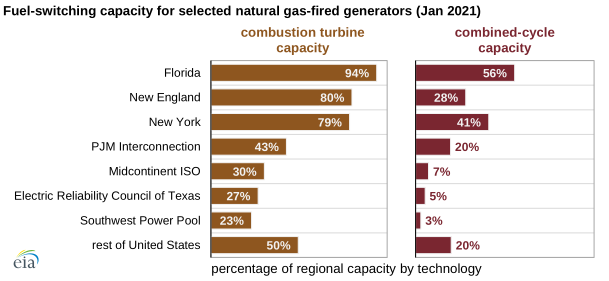
Collectively in New York and New England, NGCCs represent 32% of the capacity and 39% of the regional generation. In New York, 41% of the NGCC capacity can fuel switch; in New England, 28% can fuel switch. In other regional power markets, natural gas capacity has a smaller share of total generating capacity, and distillate fuel oil is less readily available. In these markets, the option to fuel switch is less common, and fuel diversity is achieved across a fleet of generators as opposed to within generators.
Simple-cycle natural gas-fired technologies, such as combustion turbines and steam turbines, provide less electricity generation than NGCCs. However, these simple-cycle technologies can provide important grid support during high-demand periods. In Florida, 94% of the natural gas-fired combustion turbine capacity can fuel switch. In New England and New York, the fuel-switching share of natural gas combustion turbines averages 80%, which is almost twice as prevalent as the national average of 45% for that technology.
Principal contributor: Glenn McGrath
Tags: generation, coal, electricity, natural gas, nuclear, wind, liquid fuels, hydroelectric, oil/petroleum