
In-brief analysis
September 5, 2024
Batteries are a fast-growing secondary electricity source for the grid
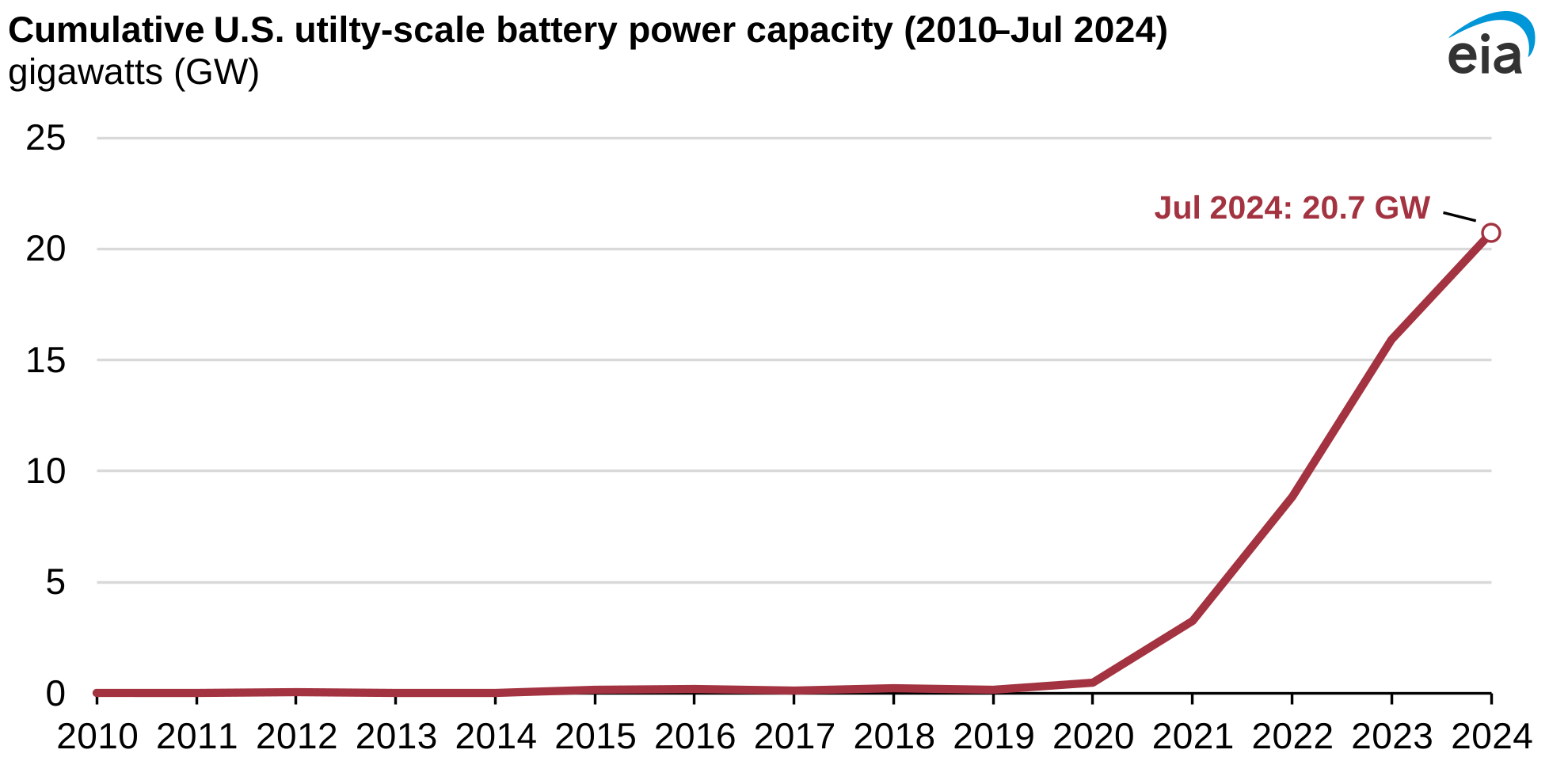
Data source: U.S. Energy Information Administration, early release 2023 Annual Electric Generator Report (for annual data 2010–23) and our July 2024 electric generator inventory (for July 2024 data)
Note: Annual data are end-of-year operational nameplate capacities at installations with at least 1 megawatt of nameplate power capacity.
Note: Annual data are end-of-year operational nameplate capacities at installations with at least 1 megawatt of nameplate power capacity.
- Utility-scale battery energy storage systems have been growing quickly as a source of electric power capacity in the United States in recent years. In the first seven months of 2024, operators added 5 gigawatts (GW) of capacity to the U.S. electric power grid, according to data in our July 2024 electric generator inventory. In 2010, only 4 megawatts (MW) of utility-scale battery energy storage was added in the United States. In July 2024, more than 20.7 GW of battery energy storage capacity was available in the United States.
- Battery energy storage systems provide electricity to the power grid and offer a range of services to support electric power grids. Among these services are balancing supply and demand, moving electricity from periods of low prices to periods of high prices (a strategy known as arbitrage), and allowing electricity from renewable sources, such as wind and solar, to be stored until needed instead of curtailing those sources at times when they produce more electricity than is consumed.
- Energy storage systems are not primary electricity sources, meaning the technology does not create electricity from a fuel or natural resource. Instead, they store electricity that has already been created from an electricity generator or the electric power grid, which makes energy storage systems secondary sources of electricity. Energy storage systems use more electricity for charging than they provide when supplying electricity to the electricity grid. Secondary sources of electricity such as batteries are included in our Annual Electric Generator Report and in our preliminary monthly electric generator inventory data because they provide the capacity to meet load even though energy storage systems do not generate electricity directly.
- Most U.S. utility-scale battery energy storage systems use lithium-ion batteries.
- Our data collection defines small-scale batteries as having less than 1 MW of power capacity. Small-scale battery data are reported separately from utility-scale battery systems.
- Other types of energy storage systems include pumped-storage hydroelectricity, flywheels, and compressed air. More detailed information about how batteries and these other systems work is available on our Energy Explained page about energy storage for electricity generation.
Principal contributors: Kimberly Peterson, Mark Morey
Tags: generation, electricity, storage, capacity