
Refinery closures and rising consumption will reduce U.S. petroleum inventories in 2026
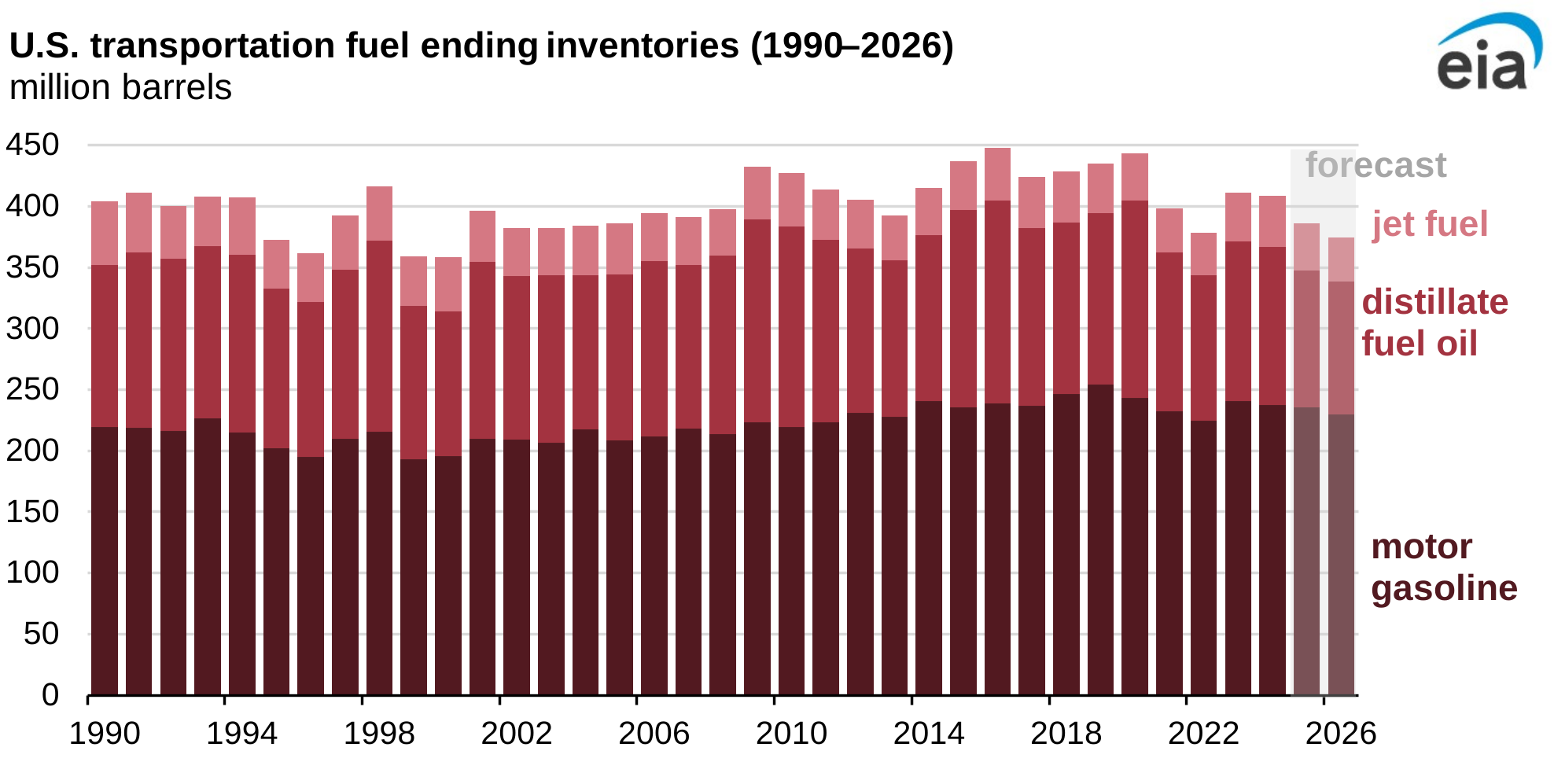
In 2026, we forecast that inventories of the three largest transportation fuels in the United States—motor gasoline, distillate fuel oil, and jet fuel—will fall to their lowest levels since 2000 in our February Short-Term Energy Outlook.
Two pending refinery closures will reduce U.S. production of refined petroleum products. When combined with our forecast of growing consumption, we expect inventories for the three fuels to decline through 2026. We forecast inventories for these fuels will end next year at 375 million barrels, the lowest since 2000 when they ended the year at 358 million barrels.
Inventory withdrawals tend to increase wholesale and retail fuel prices because market participants must meet demand by competing for a smaller pool of refinery production. As a result, we also forecast wholesale refinery margins for the three fuels will increase. In our forecast, however, these wider margins are partially offset by falling crude oil prices, leading to relatively smaller increases in retail fuel prices or even a decline in retail gasoline prices.
Less motor gasoline refinery production and smaller inventories correspond with falling gasoline consumption in the United States. Because of both increased automobile efficiency and less employment growth, we forecast U.S. motor gasoline consumption will decline about 1% in 2026, following no year-over-year change in 2025.
Dividing inventory levels by the three-year average previous rate of consumption provides an indicator called days of supply. Based on this indicator, we expect the days of supply of motor gasoline will remain near historical averages.
For distillate, increased biofuel substitution is a new factor affecting balances and prices. We forecast that biodiesel and renewable diesel, both consumed individually and blended into petroleum distillate, will comprise about 9% of U.S. distillate fuel oil consumption next year, up from 5% in 2021. Accounting for these fuels’ stocks means that the United States will have around 10% more days of supply of distillate fuel than if we considered availability by only looking at petroleum distillate inventories. Even accounting for biofuels, inventories and days of supply will remain relatively low compared with historical averages, however.
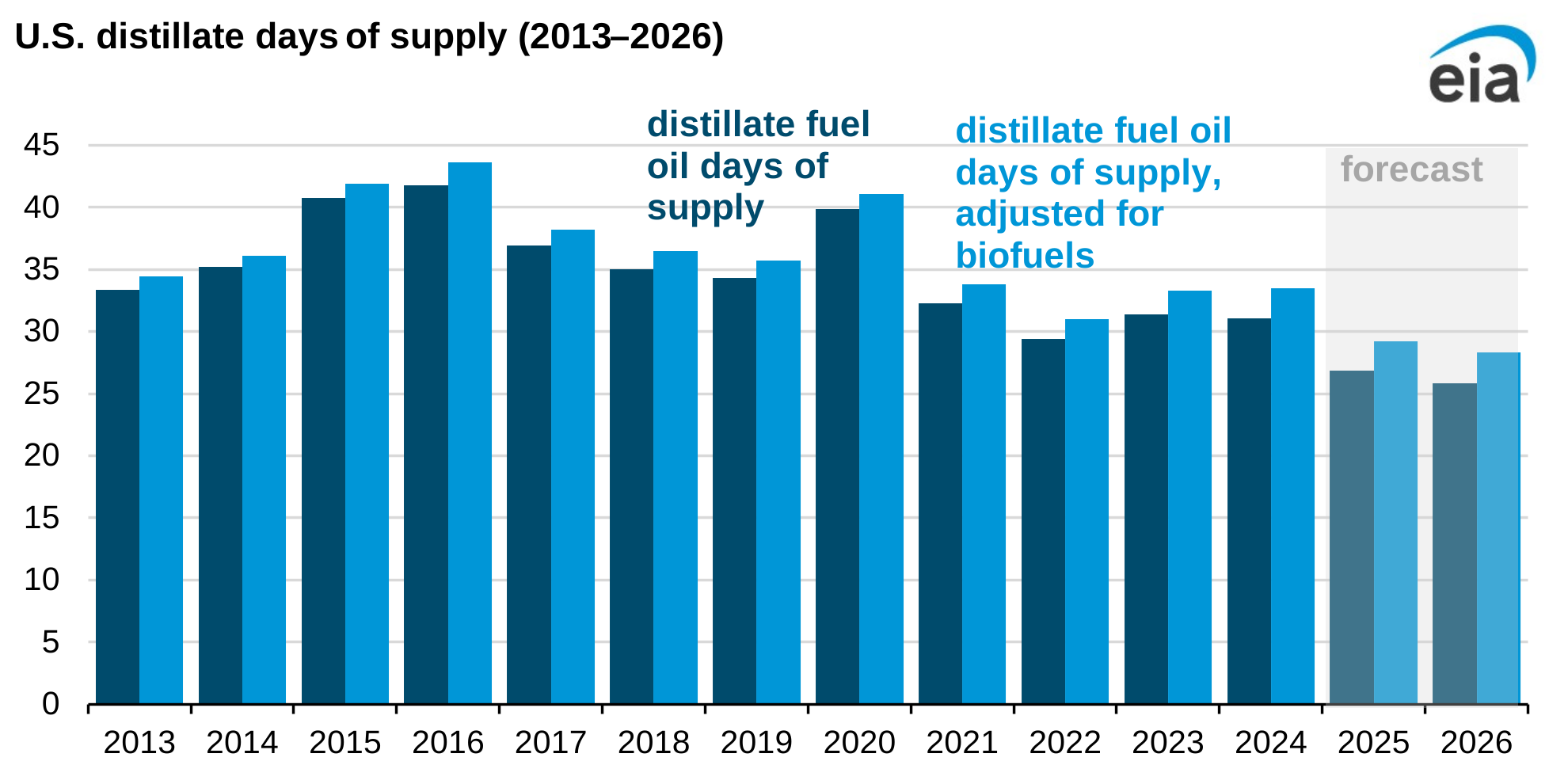
Note: Days of supply calculated as ending inventories divided by three-year average consumption.
We believe jet fuel will face tight supply and demand conditions. U.S. consumption of jet fuel will rise to an all-time high next year, while reduced refinery production will decrease jet fuel inventories to low levels. When adjusted on a days of supply basis, we forecast U.S. jet fuel will decline to about 21 days of supply—the lowest since 1963.
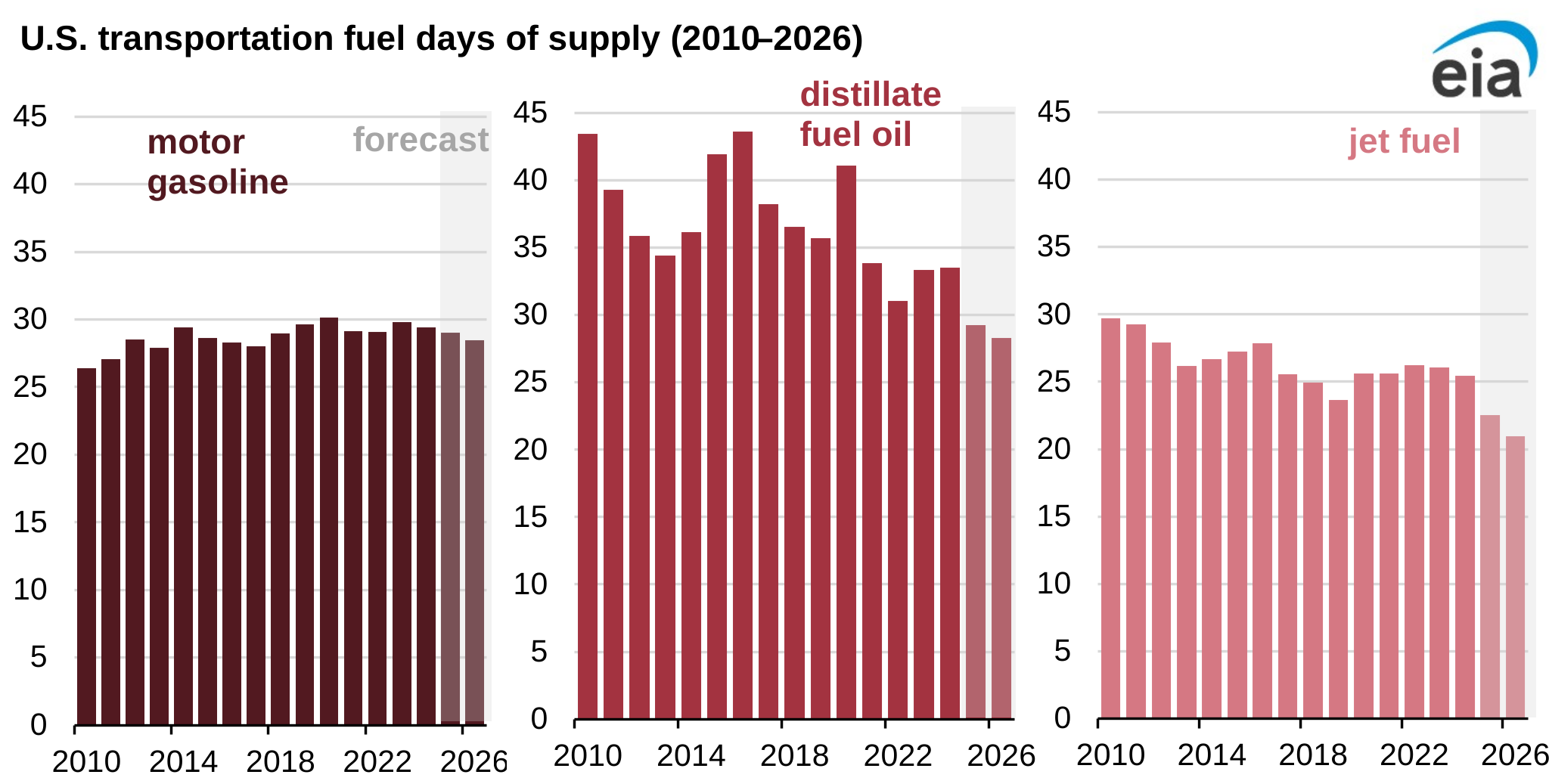
Note: Days of supply calculated as ending inventories divided by three-year average consumption.
Principal contributor: Jeff Barron