U.S. Energy Information Administration logo
Skip to sub-navigation
In-brief analysis
January 26, 2026

Nuclear plants reported few outages in the first three weeks of January 2026
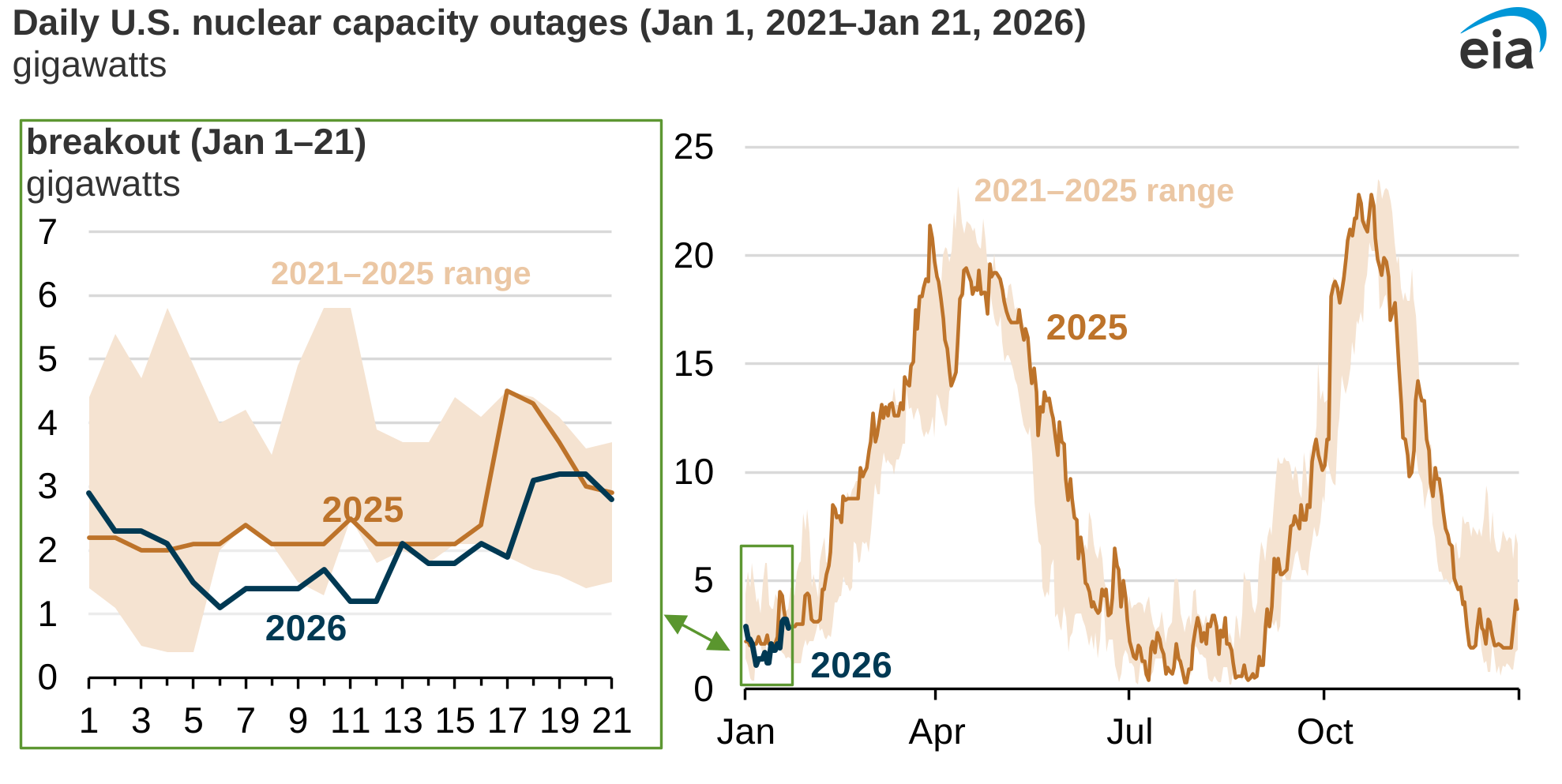
daily U.S. nuclear capacity outages

Data source: U.S. Energy Information Administration, Status of U.S. Nuclear Outages dashboard

  • Between January 1, 2026, and January 21, 2026, nuclear power plant outages averaged 2.0 gigawatts (GW), 20% less than in the same period in 2025 and below the previous five-year range (2021–25) for 7 out of 21 days.
  • Data from our Status of U.S. Nuclear Outages dashboard indicate that nuclear power plant outages in the United States fell to 1.1 GW on January 6, 2026, the lowest since September 2, 2025, and 1.0 GW below the outages on January 6, 2025.
  • A large portion of current outages are from the Palisades Nuclear Plant in Michigan, which is in the process of restarting. In March 2025, the U.S. Department of Energy approved a loan to support restarting Palisades, and on September 9, 2025, the Nuclear Regulatory Commission changed the status of the Palisades plant from decommissioning to restarting. The Palisades plant has been operating at 0% since then, and we count it as an outage in our Status of U.S. Nuclear Outages dashboard. On January 6, 2026, the Palisades plant outage accounted for nearly three-quarters of the total U.S. nuclear outages.
  • Nuclear power plants in the United States typically serve base load electricity demand, which occurs more or less continuously throughout the day and across seasons.
  • Nuclear power plants undergo both planned outages, usually for maintenance and refueling, and unplanned outages, which include weather-related disruptions and early retirements. Planned nuclear power plant outages are seasonal with higher outages in the spring and fall, when electricity demand declines.

Principal contributor: Kimberly Peterson

Tags: nuclear, outages

Statistics
Analysis
Tools
Education
News

Petroleum & Other Liquids

Crude oil, gasoline, heating oil, diesel, propane, and other liquids including biofuels and natural gas liquids.

Natural Gas

Exploration and reserves, storage, imports and exports, production, prices, sales.

Electricity

Sales, revenue and prices, power plants, fuel use, stocks, generation, trade, demand & emissions.

Coal

Reserves, production, prices, employment and productivity, distribution, stocks, imports and exports.

Nuclear & Uranium

Uranium fuel, nuclear reactors, generation, spent fuel.

Renewable & Alternative Fuels

Includes hydropower, solar, wind, geothermal, biomass and ethanol.

EIA Survey Forms

Forms EIA uses to collect energy data including descriptions, links to survey instructions, and additional information.

Total Energy

Comprehensive data summaries, comparisons, analysis, and projections integrated across all energy sources.

U.S. States

State energy information, including overviews, rankings, data, and analyses.

International

International energy information, including overviews, rankings, data, and analyses.

Environment

Greenhouse gas data, voluntary reporting, electric power plant emissions.

Data Tools, Apps, & Maps

Tools to customize searches, view specific data sets, study detailed documentation, and access time-series data.

Open Data

EIA's free and open data available as API, Excel add-in, bulk files, and widgets

EIA Beta

Come test out some of the products still in development and let us know what you think!

Open Source Code

EIA's open source code, available on GitHub.

RSS Feeds

Subscribe to feeds for updates on EIA products including Today in Energy and What's New.