
U.S. coal exports from the Port of Baltimore rebounded two months after bridge collapse
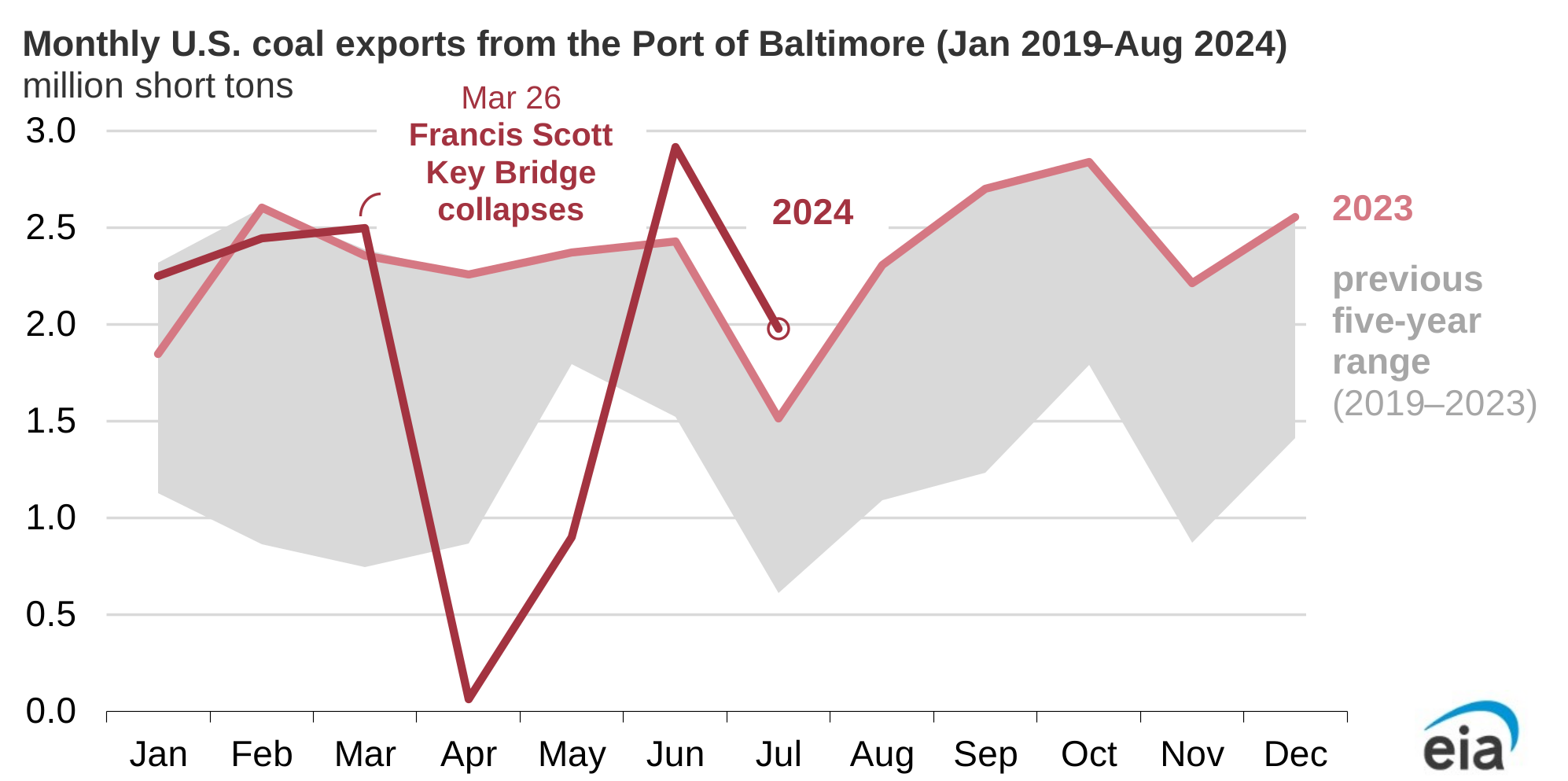
U.S. coal exports from the Port of Baltimore rebounded at the end of May 2024, according to recently released data from the U.S. Census Bureau. Shipments from the port’s two coal-loading terminals had stopped for almost two months following the collapse of the Francis Scott Key Bridge on March 26. The main shipping channel into the Port of Baltimore reopened on May 21.
In April, only 63,658 short tons of coal could be loaded for export, compared with 2.3 million short tons in April 2023. This small amount could be exported, even though the main channel into the Port of Baltimore was closed, because one of the loading terminals used barges to transport smaller loads to a vessel anchored in the Chesapeake Bay.
Coal loadings in May recovered to slightly less than one million short tons, with that activity mostly occurring after the reopening. In June, coal loadings for export soared to 2.9 million short tons, the most in the U.S. Census Bureau data series—which starts in 2000—as terminals worked through their backlog of vessels. Loadings in July declined slightly to around 2.0 million tons, although that amount was still more than the five-year (2019–23) average.
Coal exports in July typically are lower, as mining companies, railroads, and port terminals usually conduct maintenance during that month. This year, the coal industry made up for the suspension of shipments in April and May by increasing shipments in July.
In our Short-Term Energy Outlook, we expect exports from the Port of Baltimore for the 2024 calendar year will be consistent with previous years because we expect exports to remain high in the second half of 2024. In 2023, the Port of Baltimore set a five-year high, with coal exports totaling 28 million short tons. We expect total exports in 2024 should be equal to or greater than the 20 million tons loaded in both 2021 and 2022.
Principal contributors: Jonathan Church, Mark Morey
Tags: coal, exports/imports