
EIA projects U.S. energy-related CO2 emissions to fall in the near term, then rise
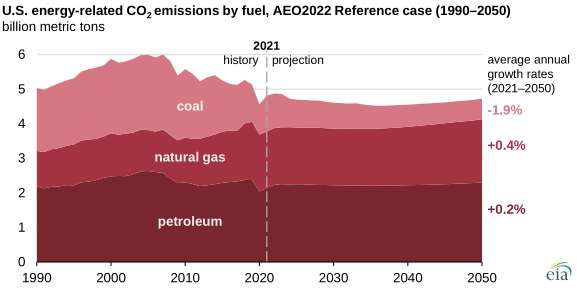
In our Annual Energy Outlook 2022 (AEO2022), we project that energy-related carbon dioxide (CO2) emissions will decrease in the United States through the mid-2030s and then increase through 2050 across a wide variety of assumptions. We project that, over time, increasing emissions from natural gas and petroleum consumption growth will offset declines in emissions from coal consumption.
In our AEO2022 Reference case, which assumes no changes to current laws or regulations, we project that U.S. energy-related CO2 emissions will fall to 4.5 billion metric tons (Bmt) in 2037, or 6% below the energy-related CO2 emissions in 2021, before rising to 4.7 Bmt in 2050, or 2% below 2021 levels. Projected emissions decline from 2022 to 2037 primarily as a result of decreasing carbon intensity (CO2 per unit of energy consumed) in the electric power sector. The rise in emissions from 2037 to 2050 is primarily due to increasing consumption.
In the AEO2022 Reference case, U.S. energy consumption grows from 2021 through 2050 because of population growth of 0.4% per year and real economic growth of 2.2% per year. However, the amount of energy needed to produce a unit of economic output, or the energy intensity of the U.S. economy, declines by 41% from 2021 to 2050. Declining energy intensity and carbon intensity result in our Reference case projection of U.S. energy-related CO2 emissions remaining slightly below 2021 levels in 2050 despite the growth in energy consumption.
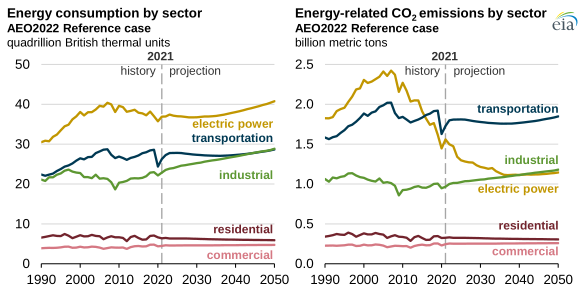
We expect that the carbon intensity of electricity generation will fall because the electric power sector will continue to transition from relatively carbon-intensive coal to less carbon-intensive natural gas and renewable energy. In the AEO2022 Reference case, we project that coal’s share of U.S. energy-related CO2 emissions will decrease from 22% in 2021 to 14% in 2037 and to 13% in 2050.
Also in the Reference case, we project that electric power sector emissions will fall below industrial sector emissions by 2040, despite energy consumption growing by about 9% from 2037 to 2050 in both sectors. We expect growth in natural gas used in the industrial sector’s bulk chemicals industry will primarily drive the growth in industrial sector energy consumption.
Transportation will likely continue to contribute more energy-related CO2 emissions than any other sector through 2050, despite less energy consumption in the transportation sector than in both the electric power and industrial sectors toward the end of the projection period. We expect the carbon intensity of transportation to remain higher than the other sectors through 2050 because we project continued use of liquid fuels for most modes of travel.
Principal contributor: Daniel Mazzone