
Consensus process provides alternate approach to energy efficiency standard development
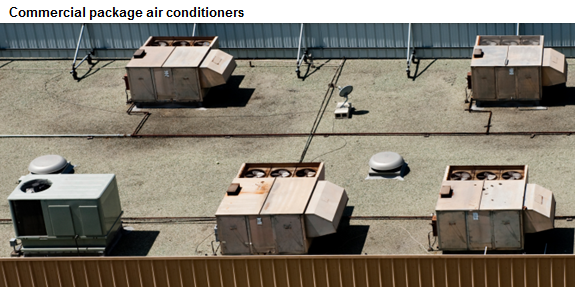
Last month a group of industry stakeholders, and energy efficiency and environmental advocates, along with the U.S. Department of Energy (DOE), proposed consensus energy conservation standards for multiple commercial heating and cooling equipment types. DOE estimates these standards could save about 15 quadrillion Btu over 30 years. The working group represents an alternate approach to energy efficiency standards development within DOE.
Formed in 2013 by DOE's Appliance and Equipment Standards Program, the Appliance Standards and Rulemaking Federal Advisory Committee (ASRAC) exists to provide advice and recommendations regarding energy efficiency standards and test procedures. As a result, ASRAC has convened a number of working groups to address various efficiency standard topics.
Several laws provide DOE authority to establish minimum energy efficiency standards. These laws include the Energy Policy and Conservation Act of 1975 (EPCA), the National Appliance Energy Conservation Acts of 1987 and 1988 (NAECA), the Energy Policy Acts (EPACT 1992 and EPACT 2005), and, more recently, the Energy Independence and Security Act of 2007 (EISA).
Since the first standard went into effect in 1990, DOE rulemakings, consensus standards, and directly legislated standards have driven efficiency improvements for more than 50 residential and commercial equipment types. The recent consensus standards build upon existing, DOE-issued standards for commercial gas- and oil-fired warm-air furnaces and package air-conditioning and heat pumps that went into effect in 2003 and 2010, respectively. Similar consensus agreement approaches were used to develop standards for several residential appliances such as furnaces, heat pumps, air conditioners, clothes washers, clothes dryers, dishwashers, refrigerators, and freezers. In some cases, these agreements meant earlier adoption of standards compared with the traditional DOE rulemaking process.
For rapidly developing equipment types like consumer electronics, voluntary market transformation programs such as ENERGY STAR® may offer an expedited way to update specifications. Energy efficiency advocates, manufacturers, service providers, and the federal government recently developed a non-regulatory agreement based on ENERGY STAR specifications for television set-top boxes as an alternative to developing a federal standard.
Principal contributor: Kevin Jarzomski
Tags: commercial, energy efficiency, standards