
Changes in U.S. residential natural gas prices lag spot prices
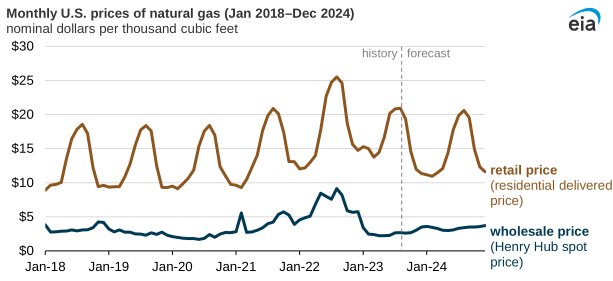
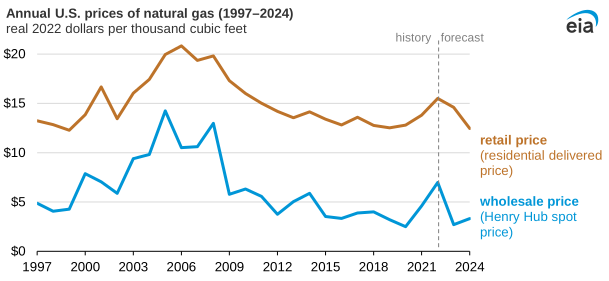
Monthly average natural gas wholesale spot prices at the U.S. benchmark Henry Hub have been generally declining so far in 2023, but these relatively low prices do not immediately translate into lower retail prices for residential consumers. Changes in retail natural gas prices lag changes in wholesale natural gas prices, largely due to the nature of utility regulation. Over longer periods, changes in natural gas wholesale and retail prices are more closely correlated.
Residential consumer prices for natural gas have two major components: costs incurred to buy wholesale natural gas and the related transportation and distribution charges. Because the fixed costs are spread over the smaller volumes used by customers in warm weather, residential natural gas prices are usually highest in the summer and lowest in the winter on a per unit basis when all charges are combined.
Local distribution companies (LDCs). LDCs are the utility companies that serve residential, commercial, industrial, and electric power customers. They purchase natural gas from the wholesale market to deliver to those customers. LDCs often buy natural gas months ahead of when customers need it to limit exposure to near-term price volatility and ensure adequate supplies. As a result, the natural gas price an LDC pays can reflect the price for natural gas purchased in previous periods. LDCs also work to secure guaranteed transportation on pipelines and reserve storage capacity to help limit price risk and ensure supply.
Public utility commission (PUC). The state PUC regulates residential natural gas prices. Rate changes may lag changes in the LDC's costs of purchasing natural gas due to the requirements set by state PUCs. Because companies regulated by PUCs as utilities—including most residential natural gas sales in the United States—are generally not allowed to earn or lose money from natural gas commodity sales, PUCs require LDCs to adjust these rates at some regular interval through purchased gas adjustment (PGA) charges included in utility bills.
How often LDCs are required to calculate their PGAs can vary from state to state and from company to company. In general, in times of stable prices, the frequency of these calculations can range from annually to as often as monthly. In periods of high spot price volatility, such as the record volatility in 2022, many PUCs allow LDCs to file motions to make more frequent adjustments. This flexibility allows utility natural gas cost changes to be reflected in smaller increments rather than all at once.
Additional charges. In some cases, such as during an extreme weather event, LDCs will request the ability to add additional charges to utility bills. For example, natural gas spot prices approached record highs following Winter Storm Uri in February 2021, especially in the Midwest. Many LDCs in states affected by the storm filed motions with their states’ PUCs detailing plans to recover the extremely high natural gas costs they had incurred following the winter storm. The goal of these plans was to spread the high natural gas costs to consumers over several years.
Principal contributor: Corrina Ricker
Tags: natural gas, residential, prices, Henry Hub, spot prices, wholesale prices