
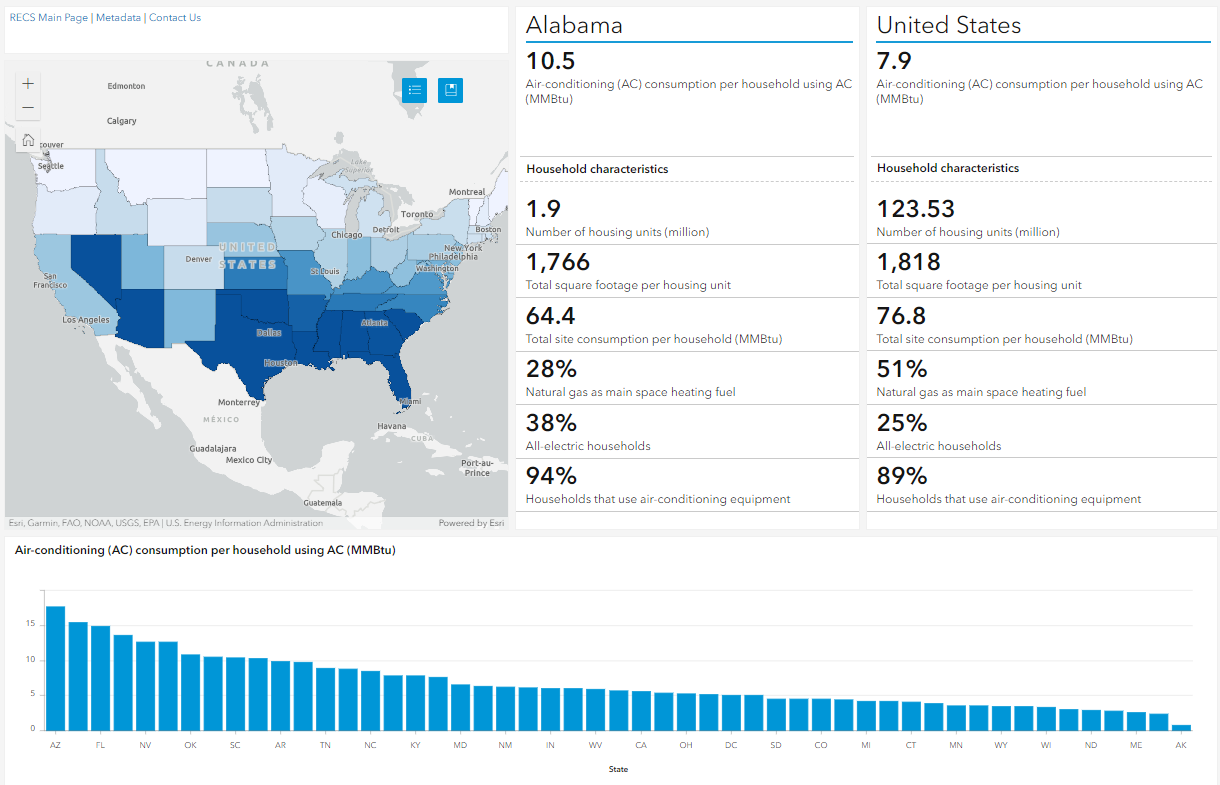
 View the dashboard ›
Methodological Research
Implementing a Mixed-Mode Design for Collecting Administrative Records: Striking a Balance between Quality and Burden
RECS 2009 — Release date: September 5, 2012 full paper
Summary
RECS relies on actual records from energy suppliers to produce robust survey estimates of household energy consumption and expenditures. During the RECS Energy Supplier Survey (ESS), energy billing records are collected from the companies that supply electricity, natural gas, fuel oil/kerosene, and propane (LPG) to the interviewed households.
As Federal agencies expand the use of administrative records to enhance, replace, or evaluate survey data, EIA has explored more flexible, reliable and efficient techniques to collect energy billing records. The ESS has historically been a mail-administered survey, but EIA introduced web data collection with the 2009 RECS ESS. In that survey, energy suppliers self-selected their reporting mode among several options: standardized paper form, on-line fillable form or spreadsheet, or failing all else, a nonstandard format of their choosing.
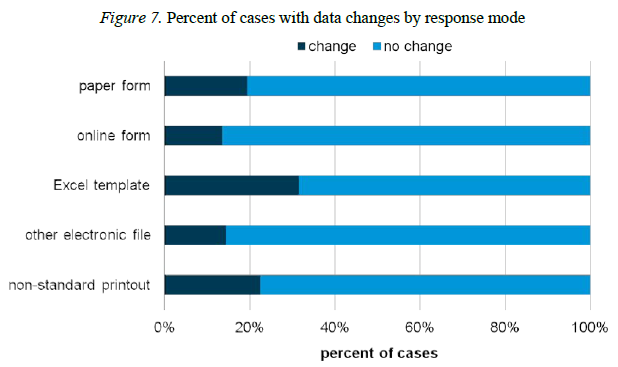
In this paper, EIA describes where reporting mode appears to influence the data quality. We detail the reporting modes, the embedded and post-hoc quality control and consistency checks that were performed, the extent of detectable errors, and the methods used for correcting data errors. We explore by mode the levels of unit and item nonresponse, number of errors, and corrections made to the data. In summary, we find notable differences in data quality between modes and analyze where the benefits of offering these new modes outweigh the "costs".