
Today in Energy More Today in Energy
Posted October 19, 2026Hybrid sales rise while battery electric sales remain lower after tax credit expiration ›
Data source: Omdia
Note: 1Q16=first quarter 2016; 3Q26=third quarter 2026
Note: 1Q16=first quarter 2016; 3Q26=third quarter 2026
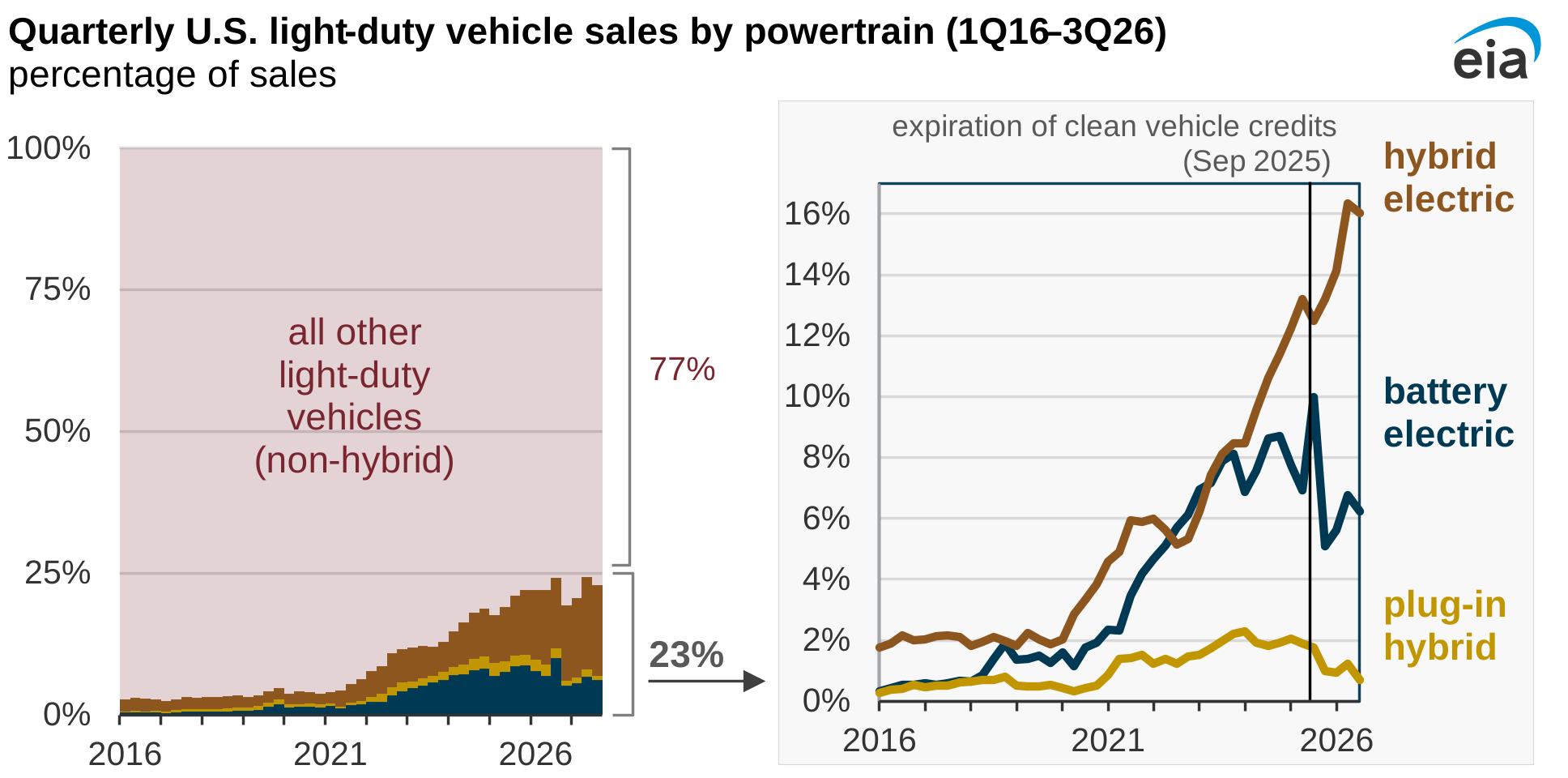
In the third quarter of 2026 (3Q26), 23% of new light-duty vehicles sold in the United States were hybrid electric, battery electric, or plug-in hybrid electric vehicles, down slightly from 24% in 3Q25. Between 3Q25 and 3Q26, hybrid electric vehicles continued to gain market share, reaching 16% of light-duty vehicle sales. Growth of hybrid electric vehicle sales has slowed this quarter as the average transaction price for a new vehicle passed $50,000—the first time this price has been reached so far this year, according to Kelley Blue Book.
More ›What's New
- Electric Power Annual 2025
- Oct 21, 2026
- Wholesale Electricity Market Data
- Oct 15, 2026
- Monthly Densified Biomass Fuel Report
- Oct 08, 2026
- More